

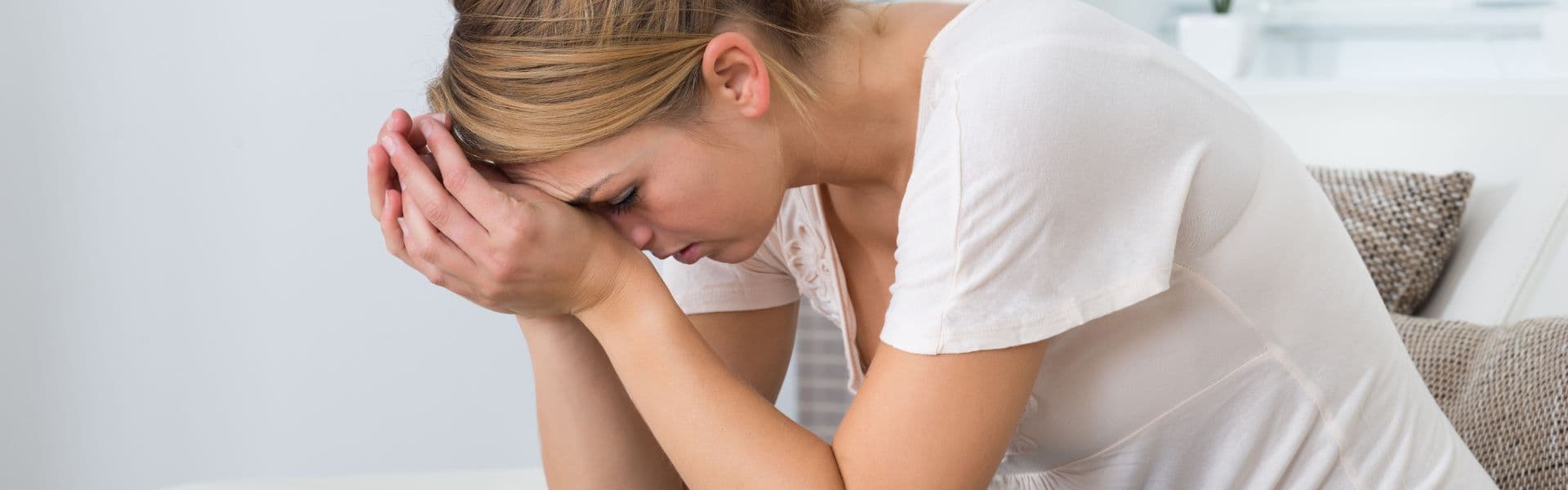
Stress & anxiety
Everyone has their own sources of stress, and what may be stressful for one person may not be for another. It's our body's natural, adaptive response to the challenges and pressures of daily life, keeping the body on its toes. However, when it becomes chronic, excessive or uncontrollable, it can have harmful consequences for our physical and mental health.
What is stress?
Stress is a physiological and psychological reaction that occurs when we are confronted with situations perceived as threatening, difficult, or demanding.
It is a normal reaction caused by various external pressures or specific demands of daily life. This can include work deadlines, family responsibilities, stressful events, or difficult situations.
Each person has their own sources of stress, and what is stressful for one person may not be for another. It is a natural, adaptive response of our body that keeps us alert. Stress can help us mobilize, cope with difficult situations, and adapt.
It is important to understand that stress itself is not necessarily problematic. However, when it becomes chronic, excessive, or uncontrollable, it can have harmful consequences for our physical and mental health. It is therefore essential to find healthy ways to cope with stress and manage it effectively.
What is anxiety?
Like stress, anxiety is a normal and common emotional reaction we feel in response to situations perceived as threatening, stressful, or uncertain. It is a natural response of our body that prepares us to face potential dangers. However, there are some distinctions between stress and anxiety.
However, anxiety can manifest as constant apprehension, excessive worry, intense fear, feelings of irritability, difficulty concentrating, and a sense of loss of control, and is often less tied to specific events and may present in a more generalized way. Anxious thoughts can be centered on specific concerns and triggered by worries, and even by anticipation.
This problem can become excessive, chronic, and significantly interfere with daily life; it may be an anxiety disorder. Anxiety disorders include conditions such as generalized anxiety disorder (GAD), panic attacks, phobias, obsessive-compulsive disorder (OCD), and post-traumatic stress disorder (PTSD).
What are the symptoms of stress and anxiety?
The symptoms of stress and anxiety can vary from person to person. You might experience a physical reaction, such as rapid heartbeats, rapid and shallow breathing, muscle tension, sweating, trembling, nausea, and sleep disturbances.
Emotionally, you might feel nervous, constantly worried, and have difficulty relaxing. You may be more restless than usual, feel impatient, even irritable. It is not uncommon to notice that it is harder to make decisions or to concentrate during a time of stress or anxiety. Some people may feel sadness, depression, or negative anticipation, and even a sense of disconnection and detachment from reality.
Why learn to manage stress and anxiety?
Learning to control stress and anxiety can have many benefits for your physical, mental, and emotional well-being. It can also help you cultivate more lasting emotional well-being.
They are often associated with problems such as depression, burnout, and anxiety and mood disorders. By learning to manage these feelings, you will strengthen your emotional resilience and prevent the development of mental health problems. You can regain a better quality of life by enabling yourself to fully engage in your activities and relationships, being able to cope with the challenges of daily life.
In short, learning to control your stress or anxiety will help you improve your health, your quality of life, your emotional well-being, and your overall functioning. This often requires specific strategies and techniques, which can be acquired through professional guidance or self-management approaches to stress.
What can you do to better manage stress and anxiety?
Becoming aware of your thoughts and emotions is the first step to being able to manage your condition. The first step is to observe and identify negative thoughts and anxious thinking patterns that contribute to your stress. Learn to recognize the signs of stress and specific emotional triggers.
Relaxation can be an effective way to help you regain a calm state of mind. Try different techniques, such as deep breathing, meditation, yoga, and visualization. Social support can also play an essential role in managing stress and anxiety. Talk about your feelings with close friends, family members, or a professional. Communicating can also help you feel supported and understood.
Organization and effective time management can reduce the feeling of being overwhelmed and help reduce stress. Plan your tasks and activities, set realistic goals, and learn to say no when you are overloaded. Prioritize important tasks and learn to delegate when possible.
Regular physical exercise is an excellent way to feel better. Physical activity releases endorphins, which are neurotransmitters that provide a feeling of well-being.
A balanced diet can also contribute to your overall well-being. Avoid foods high in sugar and caffeine, which can worsen anxiety symptoms. Instead opt for a healthy diet including fruits, vegetables, whole grains, lean proteins, and healthy fats.
What can I do if I think I am suffering from an anxiety disorder or a high and problematic level of stress?
It is recommended to consult a health professional if you think you are suffering from anxiety disorders. They will be able to assess your level of stress and anxiety and can guide you to better understand the origin of the problem. They can also observe your reactions and make an accurate diagnosis to identify a possible anxiety disorder.
With an evaluation, it will be possible to develop a personalized treatment plan tailored to your specific needs. This may include recommendations for stress management techniques, specific therapies, lifestyle changes, and, if necessary, medication. In consultation, you could learn various relaxation strategies, breathing techniques, and mindfulness exercises. Cognitive restructuring methods, problem-solving approaches, and time-management tools might also be offered to you.
Are you going through a difficult time or questioning your mental health? Do not hesitate to ask for help. At Familio, we can help you to distinguish stress, anxiety, and distress. Our professionals are equipped to help you better manage your stress and anxiety and offer you assistance to understand the origin of what you are feeling.

Our professionals

Geneviève Sanscartier
Social worker

Marc Pelletier
Social worker

Lysandre Ouimet Lauzon
Social worker
Brigitte De Champlain
Psychoeducator
Sara Baillargeon
Psychoeducator

Sophie Bousquet
Psychologist

Dominique Lebel
Social worker

Catherine Doucet
Psychoeducator

Clara Houle Roy
Social worker

Chloé Rousseau
Psychosocial worker

Roxanne Hébert-Ratté
Psychologist

Roxanne Lefebvre
Resident in Marriage and Family Therapy
Érica Boivin
Doctoral student in psychology
Nadia Séguin
Psychoeducator

Haisha Maxi
Social worker
Bianka Brillon-Baillargeon
Doctoral student in psychology

Isabelle Dufour
Social worker

Anik Pelletier
Social worker
Camilo Real
Social worker
Anne Julien Rocheleau
Psychologist and Neuropsychologist

Marie-Hélène Scalzulli
Psychoeducator
Céline Faucher
Doctoral student in psychology

Martine Savaria
Certified parenting coach

Noémie Lawlor
Psychoeducator

Martin Salvat
Social worker

Kevin Sylvestre
D.Ps. Psychologist

Stéphanie Audet
Neuropsychologist
Catherine Brosseau
Art therapist

Maghali Gagné
Social worker

Kathleen Leboeuf
Psychosocial counsellor

Slim Kallel
Psychologist

Karine Michel
Social worker

Marilyn Lachapelle
Psychoeducator

Mélanie Gaudette
Social worker

Nicolas Rollin
Psychologist
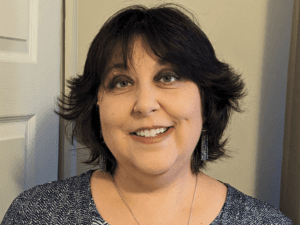
Monica Chantal Vasquez
Psychologist

Nathalie Turmel
Psychoeducator

Émeline Jean
Psychologist
Émeline Jean
Psychologist
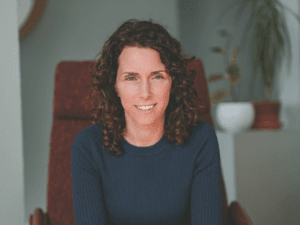
Paméla Corbeil
Social worker
The Familio advantage

Quick care by a professional
Support adapted to your needs
Access to interdisciplinary services
Welcoming and warm environment