


Post-traumatic stress disorder (PTSD)
Post-traumatic stress disorder, also known as post-traumatic stress disorder or post-traumatic stress syndrome and often abbreviated as PTSD / PTSD, is a mental health disorder whose symptoms appear following a person's experience of a traumatic event. Although often associated with veterans and military service in war, these events can include frightening, shocking or life-threatening situations, such as a car accident, assault, natural disaster, sexual assault, death threats or military service in war. The disorder leads to a series of symptoms that can seriously affect the individual's quality of life. People with PTSD may relive the traumatic event through flashbacks, nightmares, or intrusive thoughts that appear without warning. They may also experience strong feelings of distress when exposed to elements that remind them of the event. A person with PTSD may also avoid situations or people that remind them of the traumatic event, which can limit their daily activities. They may also be constantly on the alert, easily startled, and have trouble sleeping. In addition, there may be changes in the way the person thinks and feels. She may have persistent negative thoughts about herself or the world, feel guilty or ashamed, or even feel detached or alienated from other people. It's important to note that PTSD is not a manifestation of weakness. It is an understandable response to a very difficult situation, and there are effective treatments that can help sufferers return to a normal life.
What is post-traumatic stress disorder (PTSD)?
Post-traumatic stress disorder, also called post-traumatic stress or post-traumatic stress syndrome and often abbreviated PTSD / PTSS, is a mental health disorder whose symptoms appear following a person’s experience of a traumatic event.
Although often associated with veterans and military service in wartime, these events can include frightening, shocking, or life-threatening situations, such as a car accident, an assault, a natural disaster, a sexual assault, death threats, or military service in wartime.
This disorder leads to a range of symptoms that can severely affect an individual’s quality of life. People with PTSD may relive the traumatic event through flashbacks, nightmares, or intrusive thoughts that occur without warning. They may also experience intense distress when exposed to cues that remind them of the event.
A person with PTSD may also avoid situations or people that remind them of the traumatic event, which can limit their daily activities. They may also be constantly on guard, be easily startled, and have difficulty sleeping.
Additionally, there may be changes in the way the person thinks and feels. They may have persistent negative thoughts about themselves or the world, feel guilty or ashamed, or even feel detached from or estranged from others.
It is important to note that PTSD is not a sign of weakness. It is an understandable response to an extremely difficult situation, and there are effective treatments that can help affected individuals regain a normal life.
What are the symptoms of post-traumatic stress disorder (PTSD)?
Post-traumatic stress disorder (PTSD) is a mental health condition that can occur after a traumatic event, and the following symptoms may be observed in some people. These symptoms can be grouped into four main categories.
First, in the re-experiencing category, post-traumatic stress symptoms can manifest in different ways, notably through flashbacks, nightmares, or intrusive and uncontrollable thoughts about the event.
Next is avoidance. Some people may avoid situations, places, conversations, or even thoughts that might remind them of the traumatic event. This avoidance behavior can sometimes lead to social isolation.
The third category concerns negative changes in mood and thinking. In people with PTSD, changes can occur in how they see themselves, others, or the world in general. They may develop a negative self-image, feel guilty or responsible for the event, have difficulty experiencing positive emotions, or struggle to feel connected to others.
Finally, there are exaggerated reactions or changes in reactivity. People with PTSD may be constantly on alert, have exaggerated startle responses, experience sleep problems, be irritable, have angry outbursts, concentration problems, or even engage in self-destructive behaviors.
It is important to note that persistent PTSD symptoms may not appear immediately after the traumatic event. Sometimes they may not appear until months or even years later. If you or someone you know is experiencing symptoms of post-traumatic stress, it is essential to consult a mental health professional. Effective treatments are available and can help restore a balanced life.
What can I do if I think I am suffering from post-traumatic stress disorder (PTSD)?
If you think you may be suffering from post-traumatic stress disorder (PTSD), it is important to know that you are not alone and that there are resources to help you. Here are some steps you can take.
The first step is to seek professional help. In our private mental health clinic, we have an interdisciplinary team of professionals ready to support you on your path to recovery. These professionals may include psychologists, psychiatrists, clinical social workers, and other mental health experts who are experienced in managing PTSD. They are ready to work with you to understand your symptoms and establish a treatment plan that meets your unique needs.
It is also important to share your feelings and concerns with someone you trust, whether a loved one, a friend, or a member of our team. Opening up about your experiences can help you feel less alone and more understood.
At the same time, take care of yourself physically. A healthy diet, regular physical exercise, and adequate sleep can all help manage your symptoms. We recommend avoiding substances that could worsen your symptoms, such as alcohol, caffeine, and nicotine.
We can also help you learn effective coping strategies. Techniques such as meditation, deep breathing, and mindfulness can be beneficial for managing stress and reducing PTSD symptoms.
Finally, our clinic offers a supportive environment where you can connect with others who are experiencing similar experiences. These connections can provide you with support, understanding, and practical advice.
PTSD is a normal reaction to an abnormal experience, and it is not a sign of weakness. With us, you will find a team of professionals ready to support you at every step of your recovery journey. Do not hesitate to contact us for more information on how we can help you.

Related services
Our professionals
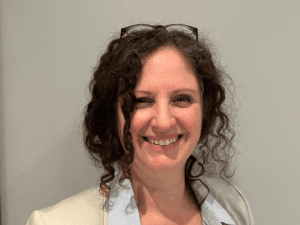
Érica Boivin
Doctoral student in psychology

Kathleen Leboeuf
Psychosocial counsellor
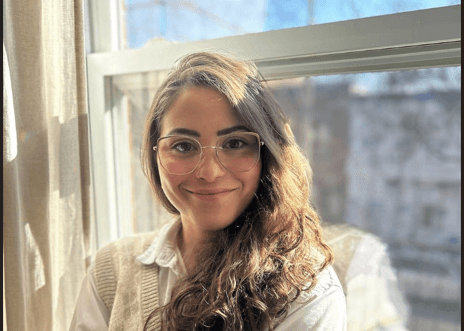
Sophia El Ouazzani
Occupational Therapist
Anne Julien Rocheleau
Psychologist and Neuropsychologist
Roxanne Hébert-Ratté
Psychologist

Geneviève Sanscartier
Social worker

Marilyn Lachapelle
Psychoeducator

Slim Kallel
Psychologist

Sophie Bousquet
Psychologist
The Familio advantage

Quick care by a professional
Support adapted to your needs
Access to interdisciplinary services
Welcoming and warm environment