


Behavioral and relationship disorders
In the complex world of mental health, behavioral and relational disorders are two disorders that manifest themselves in distinct ways, but can have profound consequences for an individual's quality of life.
What is a behavioral disorder?
A behavioral disorder is a disruption in an individual's usual way of acting or reacting. These disorders can manifest as aggressive, impulsive, or oppositional behaviors, as well as avoidance or withdrawal. Such behaviors may result from biological, environmental, or psychosocial factors. They can appear at any age, whether in children, adolescents, or adults. They can also have profound effects on an individual's well-being and daily functioning.
Mental health, particularly in adolescents, is a fragile balance. At this transitional age, behavioral disorders can be exacerbated by developmental challenges, social pressures, and hormonal changes. In adults, these disorders can compromise professional, family, and social relationships, leading to isolation, depression, or other psychological complications.
In conclusion, behavioral disorders are complex challenges that require attention, understanding, and appropriate intervention. Recognizing and treating these disorders as soon as they appear, whether in children, adolescents, or adults, is essential to ensure individuals’ well-being and fulfillment throughout their lives.
What is a relationship disorder?
A relationship disorder refers to the challenges and problems encountered in interactions and relationships with others. It concerns how a person communicates, expresses emotions, and forms or maintains emotional bonds with others. In the context of mental health, these issues can be exacerbated by specific disorders or conditions, such as anxiety, a diagnosed disorder, or attachment problems, making interpersonal relationships particularly complex.
For children, relational issues can stem from difficulties adapting to a new environment, understanding their emotions, or interacting with peers. Attachment, which is essential during this period of life, can also play a crucial role in these relational challenges. Some children sometimes suffer from an attachment disorder. Adolescents, for their part, go through a period of transition and identity seeking. They may show conflicts with authority figures, difficulties establishing healthy relationships with peers, challenges related to self-esteem, or emotional problems. For adults, these issues can be related to past experiences, mental health disorders, or anxiety.
In conclusion, relationship disorders are complex challenges that require attention, understanding, and appropriate intervention. Whether involving children, adolescents, or adults, it is essential to recognize and address these disorders to ensure individuals’ well-being and fulfillment throughout their lives.
What are the symptoms of a behavioral disorder? And those of a relationship disorder?
The symptoms of a behavioral disorder can vary from one individual to another. However, some signs are commonly observed. These symptoms may include marked impulsivity, unexplained episodes of irritability, difficulty regulating emotions, and repetitive behaviors that may be destructive or harmful. Anxiety is also a common symptom, as are excessive reactions to stressful situations. A history of trauma can often be related to these disorders, particularly if behaviors began to appear after a traumatic event. Evaluation by a professional is essential to distinguish behavioral disorders from other mental health conditions.
Relationship disorders, on the other hand, focus primarily on interactions and bonds with others. Symptoms include, among others, persistent relational difficulties, an inability to form or maintain secure attachments, and avoidance behaviors toward attachment figures, particularly in a parental context. Disorders such as reactive attachment disorder or disinhibited social engagement disorder are examples of relationship disorders. These are often linked to early life events, such as inadequate responses to a child's emotional needs. As with behavioral disorders, a clinical assessment is crucial to correctly diagnose a relationship disorder and distinguish the different types of attachment disorders.
What can I do if I think that I or a member of my circle is suffering from a behavioral disorder or a relational issue?
If you think that you or someone close to you is suffering from behavioral or relational disorders, it is crucial to follow specific steps to address the situation in an informed way. The first step is to recognize the signs and symptoms, which can vary from person to person. Repetitive behaviors, feelings of fear or anxiety, or difficulties regulating emotions could indicate an underlying problem.
The second step is to consult a professional for an evaluation. Whether it concerns a child, an adolescent, or an adult, a professional assessment can provide answers and guidance. The third step is to offer a understanding and supportive environment. Encouraging the person to express their feelings and manage their emotions in a healthy way, and providing an environment where they feel understood and supported, can make all the difference.
It is also essential to recognize the impact of these disorders and to avoid minimizing them. Instead, show empathy and understanding. Many resources, from support groups to specialized therapies, can help manage and treat these disorders.
In conclusion, if you are faced with a behavioral disorder or a relational issue, do not wait. The professionals at Familio are here to help you. Do not hesitate to contact them to get the support you need. Contact Familio today.

Our professionals
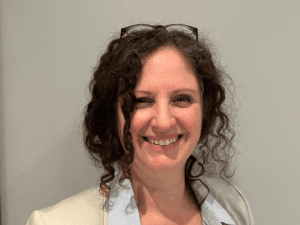
Érica Boivin
Doctoral student in psychology

Geneviève Sanscartier
Social worker

Isabelle Dufour
Social worker
Camilo Real
Social worker
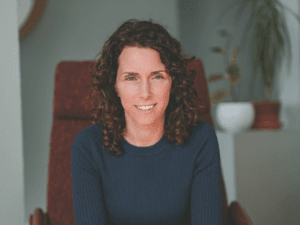
Paméla Corbeil
Social worker

Noémie Lawlor
Psychoeducator
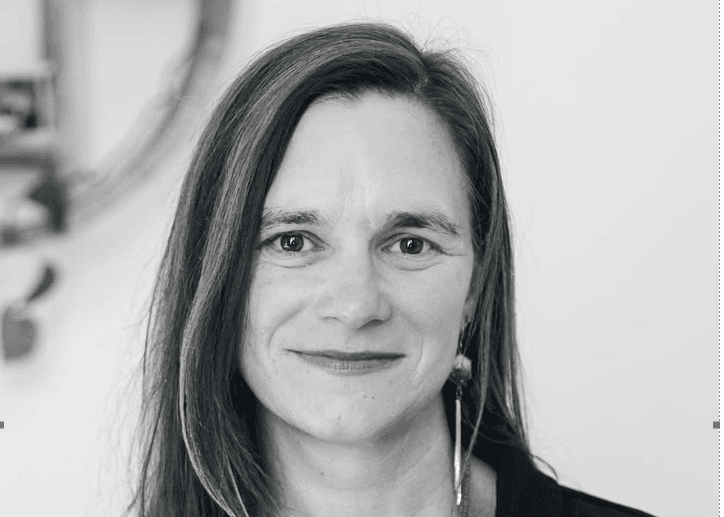
Sara Baillargeon
Psychoeducator

Nathalie Turmel
Psychoeducator

Catherine Doucet
Psychoeducator

Roxanne Hébert-Ratté
Psychologist

Lysandre Ouimet Lauzon
Social worker

Chloé Rousseau
Psychosocial worker

Sophie Bousquet
Psychologist

Martine Savaria
Certified parenting coach
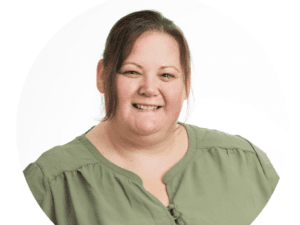
Mélanie Gaudette
Social worker

Karine Michel
Social worker

Marc Pelletier
Social worker

Marie-Hélène Scalzulli
Psychoeducator

Maghali Gagné
Social worker

Marilyn Lachapelle
Psychoeducator

Émeline Jean
Psychologist
Émeline Jean
Psychologist
The Familio advantage

Quick care by a professional
Support adapted to your needs
Access to interdisciplinary services

Welcoming and warm environment