

Blog

Clinical Supervision in Mental Health: Learning, Growing, and Sharing
Clinical supervision can support mental health professionals at various stages of their careers: during training, in the early years of practice, when entering a new field of expertise, or simply when they wish to continue developing their professional practice.

Are you wondering if it's ADHD? When to seek help and what a neuropsychological evaluation is for
Are you wondering if it's ADHD? A neuropsychological evaluation goes beyond a diagnosis and sheds light on how your cognitive functions work in everyday life.

Assessment of dyslexia and dysorthographia: how to recognize them and when to consult
Summer is drawing to a close and already you are thinking about the start of the school year. You recall last year's homework evenings: your child settling down, pencil in hand, trying, trying again. And yet the words get jumbled, reading drags on, writing wears him out. You watch him: a curious, lively child, capable of telling a thousand stories aloud. But when faced with a page, the effort takes over.

Mental Health for GBTQ+ Men: You Don't Have to Carry This Burden Alone
Today, there is more talk about diversity, sexual orientation, and gender identity. But this openness, as valuable as it is, doesn’t erase everything that many GBTQ+ men still go through. Learning to hide, fearing judgment, wondering who you really are—all of this takes a toll on mental health.

Preventing mental fatigue: take care of your health to avoid burnout
Between personal responsibilities, the workplace, unexpected events, and an often demanding pace of life, our brains are now under constant strain. Notifications, screens, multitasking, and the need for instant gratification sometimes leave little room to truly unwind or recharge. This reality is becoming increasingly prevalent. In 2023, more than 4.1 million Canadian workers reported experiencing high levels of work-related stress and daily overload.

Understanding grief: stages, emotions and the grieving process | Familio
When pain returns as time passes, it’s normal to wonder why. We hear about the stages of grief, as if simply going through them one by one would make things better. As if there were a "right way" to grieve. Yet grief does not follow a straight line. It can come back in waves, take different forms, and be experienced very differently from one person to another. Understanding what is happening can help put words to what we feel, recognize returning emotions, and know when to seek support.
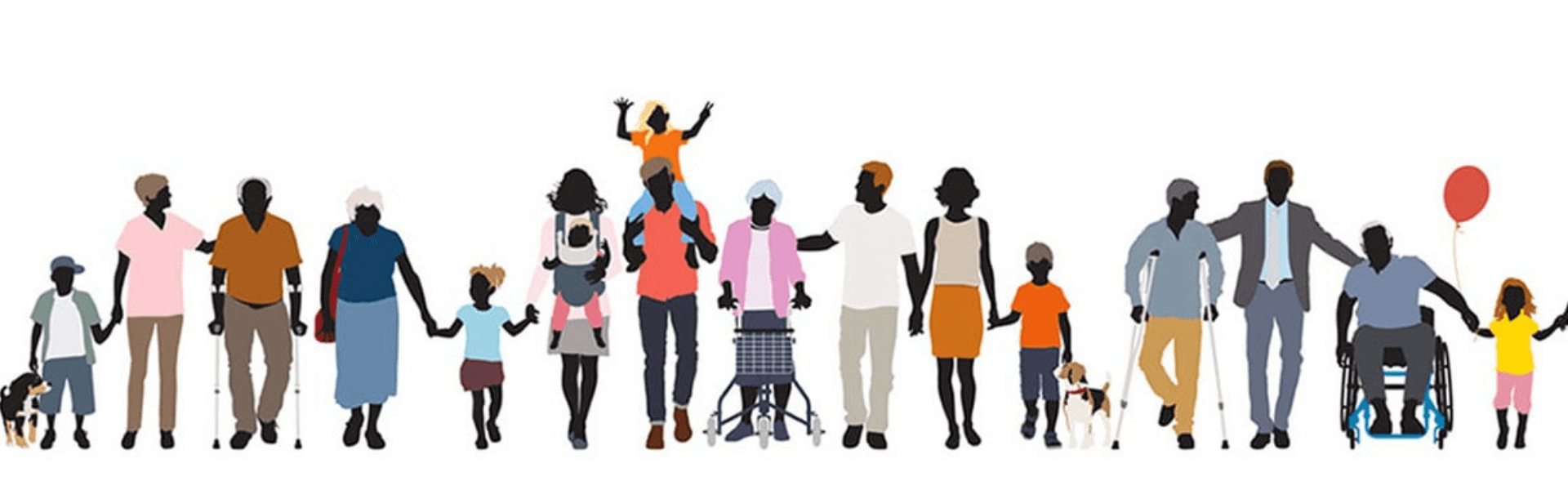
Caregivers: the often invisible pillars of our society
Supporting a loved one experiencing loss of autonomy, caring for an ill spouse, or being present for a child with particular challenges — for many caregivers, these situations are simply part of daily life. Learn about caregivers, the impact on their mental health, and how to better support them.

Burnout and emotional fatigue: How to stay sane over the holidays
The holiday season is a time of great excitement: encounters with loved ones, traditions, festivities, connections... and a rich palette of emotions. This energy, unique to December, also sets our inner world in motion. By observing what's going on inside us, and how we can gently refocus, we open the door to a lighter holiday season, more in tune with our needs. With this in mind, in the following lines we'll delve into the heart of emotional reactions and simple gestures that help us get through this period with calm and clarity.

Men's mental health: why more and more men are seeking help
An estimated one million men suffer from depression each year in Canada, a clear signal that mental health issues are very real. At the same time, almost 64% of men aged 15 and over say they experience moderate to high stress, and a third have already sought professional support.

Living with the fear of being afraid: when anxiety takes over everyday life
Anxiety has been part of us for... ever. For Cro-Magnon man, it was the key to survival. While some went off to hunt mammoths, others were more cautious, anticipating dangers, keeping an eye on the fire and preparing strategies to avoid the worst. In other words, the most cautious, the most anxious among them - those who anticipated danger - were essential to the group's survival. Their vigilance protected the group.

Adjustment disorders and behavioral problems: understanding, recognizing and finding help
Everyone goes through moments when everything seems to be getting heavier: a child who cries every morning before school, a teenager who locks himself in his room after a break-up, an adult who can't find the energy to go to work. These situations are part of life, and often temporary. However, when these difficulties cease to be temporary and become part of everyday life - at work, at school, in relationships - they become alarm signals.

Occupational therapy: essential support for your health
You probably know someone who has already consulted an occupational therapist - for a child having difficulty at school, to avoid pain at work, or to accompany an elderly person losing their independence. All these situations fall within the scope of occupational therapy, a health discipline that plays a key role in both physical rehabilitation and mental health. But this "occupational therapy" goes far beyond these examples.