


Adjustment disorders
Adjustment disorder is a mental disorder characterized by emotional distress and difficulties in coping with stressful everyday events. It occurs when a person's reaction to a situation is disproportionate to what is considered a normal or expected response.
What is an adjustment disorder?
An adjustment disorder is a mental disorder characterized by emotional distress and difficulty coping with stressful life events.
It occurs when a person's reaction to a situation is disproportionate to what is considered normal or expected.
Adjustment disorders are generally considered temporary. The stressors resolve when the person manages to adapt to the stressful situation or receives appropriate support. Note that it is important to distinguish this disorder from other mental disorders such as major depression, anxiety, etc.
What are the symptoms of adjustment disorder?
Symptoms of adjustment disorder can be triggered by various sources of stress such as relationship problems, financial difficulties, work- or school-related issues, health problems, family changes, traumatic events, or any other major life event. In some cases, these events may be single occurrences. Others may happen repeatedly.
At the emotional level, common symptoms include significant distress, anxiety, irritability, a depressed mood, a sense of hopelessness, sleep problems, loss of appetite, concentration problems, and interpersonal difficulties. These signs of marked suffering can be intense and hard to control, which can lead to increased sensitivity.
At the cognitive level, some people may experience difficulty concentrating and memory problems. Some also report a decline in intellectual performance, frequent negative thoughts, excessive worry, feelings of guilt, or suicidal thoughts. These cognitive symptoms can disrupt daily functioning and interfere with normal activities.
On the behavioral level, one can observe changes in sleep habits, such as insomnia or hypersomnia. Changes in appetite or weight are also noted, along with restlessness, hyperactivity, increased irritability, avoidance behaviors or social withdrawal, as well as impulsive or self-destructive behaviors.
At the physical level, some people may have frequent headaches, muscle pain, gastrointestinal problems, eating disorders, weight fluctuations, increased sensitivity to environmental stimuli, as well as decreased energy and vitality.
Note that these symptoms can vary in intensity and duration and change over time.
What should I do if I think I'm experiencing an adjustment disorder?
To be diagnosed, several criteria must be taken into account according to the Diagnostic and Statistical Manual of Mental Disorders (DSM-5), the reference manual used by mental health professionals. The criteria include the development of emotional or behavioral symptoms. In addition, these symptoms must be in response to an identifiable stressor or event.
These symptoms must be clinically significant and cause emotional distress or dysfunction. This dysfunction can be social, occupational, or in other important areas of life. Note that the symptoms must have appeared within three months of the event and should not be considered a normal reaction to it.
Furthermore, to be diagnosed, the symptoms must not meet the criteria for another specific mental disorder. Diagnosis is based on an assessment of symptoms, clinical history, and stressors specific to each individual. Only a professional can make an accurate diagnosis and develop a treatment plan tailored to individual needs.
If you or someone around you is showing some of the symptoms described above, it is essential to consult a professional to obtain an accurate diagnosis and receive appropriate support. Psychotherapy, stress management, and other therapeutic interventions can be effective in helping cope with symptoms and promote adjustment.
It is important to take care of yourself physically and emotionally. Adopt a healthy lifestyle. Exercise regularly, maintain a balanced diet, and ensure good sleep. Practicing deep breathing exercises, muscle relaxation, or creative leisure activities can help reduce your anxiety.
Individual therapy can offer you a safe space to explore your emotions, thoughts, and behaviors. It can also help you develop positive coping strategies. Talking about your difficulties with a trusted loved one can also do you good. Their support can be valuable in helping you feel heard and understood. Don't hesitate to express your needs and ask for help when necessary.
Don't be afraid to take the necessary steps to care for your mental well-being. At Familio, we will be pleased to support you and refer you to a professional who can help you. Surround yourself with competent professionals and rely on your support network. You will be able to face your situation and find ways to thrive again.

Our professionals

Lysandre Ouimet Lauzon
Social worker

Haisha Maxi
Social worker

Martin Salvat
Social worker

Monica Chantal Vasquez
Psychologist
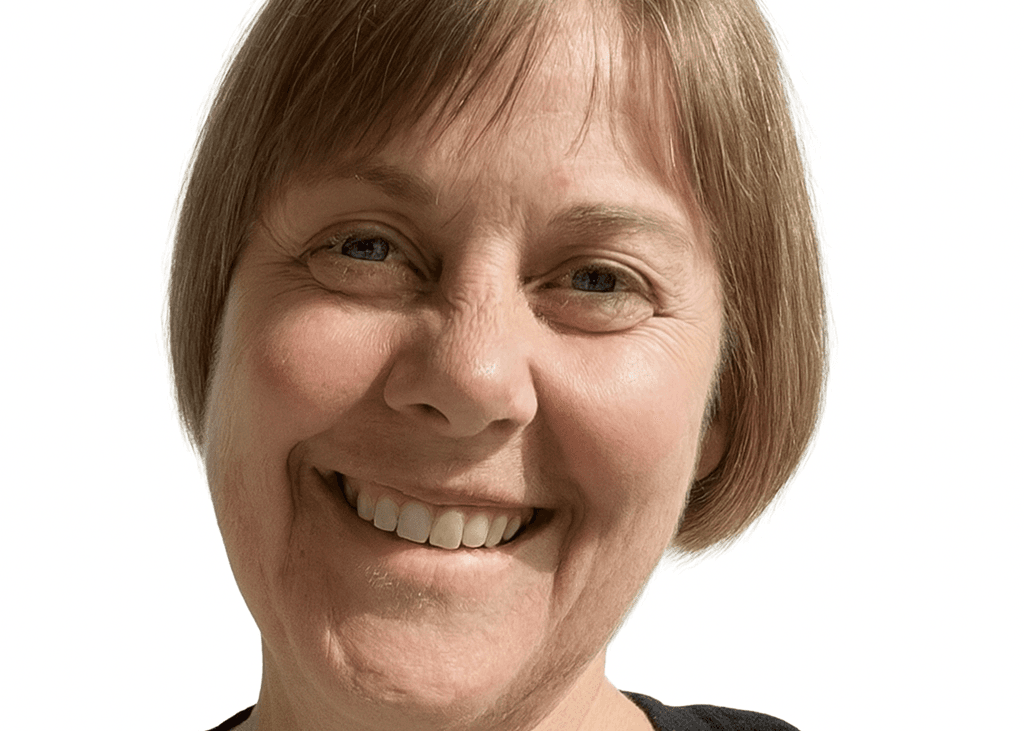
Brigitte De Champlain
Psychoeducator

Marilyn Lachapelle
Psychoeducator

Roxanne Hébert-Ratté
Psychologist
Érica Boivin
Doctoral student in psychology

Marie-Hélène Scalzulli
Psychoeducator

Nicolas Rollin
Psychologist

Marie-Josée Courval
Social worker
Paméla Corbeil
Social worker

Kevin Sylvestre
D.Ps. Psychologist

Martine Savaria
Certified parenting coach

Clara Houle Roy
Social worker

Sophie Bousquet
Psychologist

Maghali Gagné
Social worker

Émeline Jean
Psychologist
Émeline Jean
Psychologist

Karine Michel
Social worker
The Familio advantage

Quick care by a professional
Support adapted to your needs
Access to interdisciplinary services
Welcoming and warm environment