


Depression
Depression is a common illness that profoundly affects a person's emotional and physical well-being. It is characterized by persistent sadness, loss of interest or pleasure in daily activities, changes in appetite and sleep patterns, increased fatigue, decreased energy, feelings of worthlessness or guilt, difficulty concentrating and suicidal thoughts.
What is depression?
Depression is a common illness that deeply affects a person's emotional and physical well-being.
It is characterized by persistent sadness, a loss of interest or pleasure in daily activities, changes in appetite and sleep, increased fatigue, decreased energy, feelings of worthlessness or guilt, difficulty concentrating, and suicidal thoughts.
Major depressive disorder is not just a short-lived sadness or temporary difficulties. It is more intense, long-lasting, and interferes with daily activities, interpersonal relationships, and the person's overall functioning. It affects individuals of all ages, from children to older adults. It can arise following traumatic events, genetic factors, chemical imbalances in the brain, physical health problems, or environmental factors.
The causes are numerous and vary from person to person. Genetic factors play an important role in depression. Having a family history of depression can increase the likelihood of developing the disorder. Biological factors are also involved, including chemical imbalances in the brain and hormonal variations.
The loss of a loved one, financial problems, family conflicts, or work difficulties can all contribute to this condition. Traumas such as abuse or neglect during childhood can also increase the risk of depression in adulthood.
Environmental factors also play a significant role. Poverty, unemployment, exposure to violence, or lack of social support are risk factors. Physical illnesses and medical conditions are also associated with an increased risk of depression. This includes heart disease, hormonal difficulties, cancer, or chronic pain.
Finally, co-occurring mental disorders, such as anxiety, eating disorders, or substance dependence; psychological factors, such as low self-esteem and persistent negative thoughts, can also increase a person's vulnerability to developing the disorder.
It should be noted that these risk factors are not predictive and do not guarantee the development of a mental health disorder. They indicate a certain vulnerability and several factors can interact in a complex manner in the development of this illness.
What are the different types of depression?
Depression is a complex disorder that manifests in different ways in individuals. Its multiple forms reflect the diversity of symptoms and experiences of those who suffer from it. Each type of depression has specific characteristics. However, they all share the commonality of causing significant emotional suffering in the people affected.
Among the different types of depression is the major depression, which is the most common form. It is characterized by deep sadness, a loss of interest in daily activities, excessive fatigue, sleep disturbances, changes in appetite, decreased concentration, feelings of guilt, and suicidal thoughts.
Another type of depression is dysthymia, which manifests as a persistent depressive mood over a long period, generally at least two years. Although the symptomatic elements are less intense than those of major depression, they can nevertheless have a significant impact on a person's quality of life.
Third, there is the persistent depressive disorder. This disorder is a form of depression characterized by chronic depressive symptoms. These are present most of the time over a period of two years or more. The manifestation of warning signs may be less severe than in major depression. However, they persist continuously, which can lead to significant difficulties in daily life.
A fourth type of depression is the seasonal depression, which generally occurs at specific times of the year, particularly during the winter months when there is less daylight. Symptoms of the depression may include a depressed mood, increased fatigue, changes in appetite, and sleep disturbances.
Common but less well known, the postpartum depression (or baby blues) occurs after childbirth, immediately afterwards or in the months that follow. It is associated with mood swings, a loss of interest in the baby, sleep disturbances, and increased fatigue. This type of depression requires particular attention because of its implications for the infant. Although it generally occurs in the mother, it sometimes also affects the new father.
Finally, there is the psychotic depression, where depressive symptoms are accompanied by perceptual disturbances, such as hallucinations or delusions, as well as atypical depression, which is characterized by symptom patterns such as increased sensitivity to rejection, increased appetite, and hypersomnia.
In addition, depression can sometimes be associated with bipolar disorders, where periods of depression alternate with manic episodes, characterized by excessive energy, impulsivity, and an euphoric mood.
What are the symptoms of a depressive disorder?
Signs of a depressive disorder can be varied and may vary in intensity from one person to another. They generally affect a person's emotional, cognitive, and physical well-being. Here are some of the symptoms commonly associated with a depressive disorder:
- A persistent feeling of sadness with a sense of emptiness or deep despair that may be difficult to explain. People with depression may experience a loss of interest or pleasure in activities that previously interested them. Hobbies and social relationships may also seem meaningless to them.
- Fatigue and decreased energy are common, even after periods of adequate rest and sleep. People with depression may feel constantly exhausted and have difficulty accomplishing even the simplest tasks. Sleep problems are frequent. These may include insomnia (difficulty falling asleep or staying asleep) or hypersomnia (a tendency to sleep excessively). Circadian rhythms can be disrupted, leading to variations in sleep patterns.
- Changes in appetite and weight are also common. Some people may lose their appetite and lose weight significantly. Others, on the contrary, may experience an increased appetite and gain weight. These changes are not related to dieting or voluntary choices.
- Difficulties concentrating, making decisions, and remembering information (memory problems). This can affect their productivity at work or school.
- Feelings of worthlessness, excessive guilt, and self-deprecation are common. People with depression often have low self-esteem, blame themselves for their difficulties, and feel useless or unwanted.
- Suicidal thoughts may also occur in people with depression. They may have desires to die, contemplate suicide plans, or feel a sense of lost hope. It is essential to take these signs seriously and seek immediate professional help.
A person experiencing an episode of depression may exhibit other symptoms that are not listed above. Each individual is unique, and signs and symptoms can vary from one person to another.
What can I do if I think I am suffering from depression?
Talk about it. Talking about how you feel to your close ones or a loved one you trust can be a way to feel supported and understood. They can offer a listening ear, emotional support, and even accompany you to your medical appointments.
It is recommended to consult a healthcare professional, such as a general practitioner, a psychiatrist, or a psychologist. These professionals are trained to diagnose and treat depression. During your consultation, be open and honest about your symptoms, your emotions, and the impact they have on your daily life. They will be able to assess your situation, make an accurate diagnosis, and recommend the best treatment options for you.
The treatment of depression can vary depending on the severity of your situation. It may include psychotherapy, which will help you modify negative thought patterns and develop skills to cope with depression. In some cases, a healthcare professional may also recommend antidepressant medications. Treatment can be tailored to your specific needs.
It is important to note that to be diagnosed with a depressive disorder, a person must exhibit a set of symptoms for at least two weeks, with significant distress or impairment of their daily functioning.
If you or someone you know is showing symptoms of a depressive episode, it is important to consult a healthcare professional to obtain an accurate diagnosis and discuss the treatment options available.

Our professionals
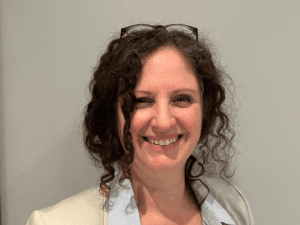
Érica Boivin
Doctoral student in psychology
Anne Julien Rocheleau
Psychologist and Neuropsychologist
Camilo Real
Social worker

Noémie Lawlor
Psychoeducator

Martin Salvat
Social worker

Nicolas Rollin
Psychologist

Catherine Brosseau
Art therapist
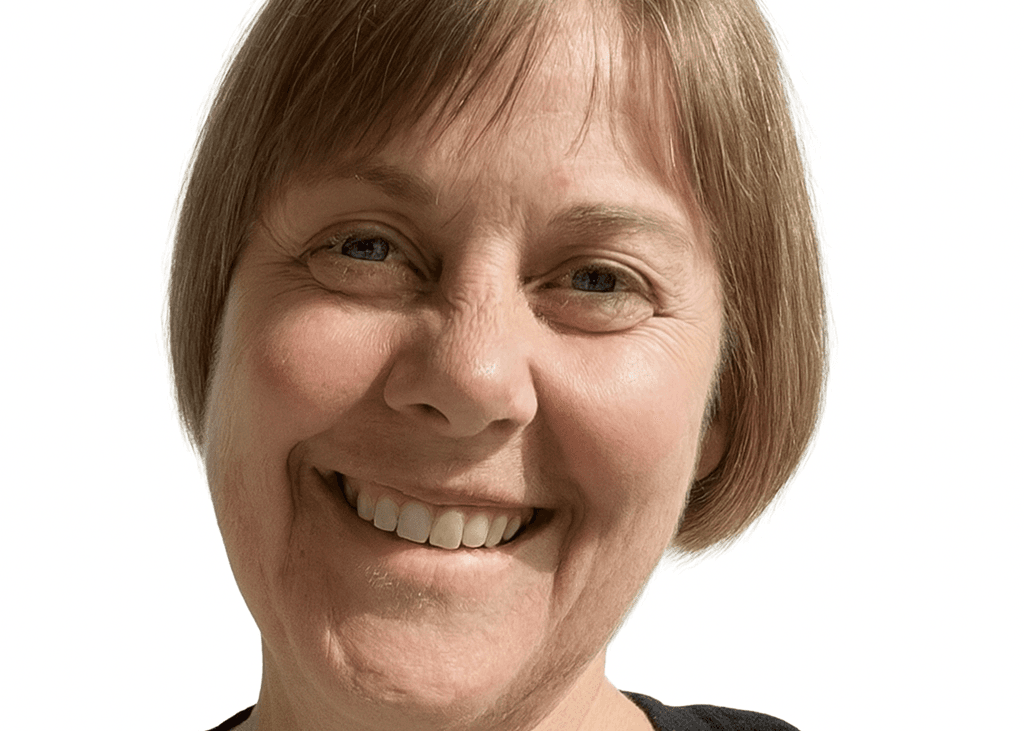
Brigitte De Champlain
Psychoeducator

Roxanne Hébert-Ratté
Psychologist

Roxanne Lefebvre
Resident in Marriage and Family Therapy

Geneviève Sanscartier
Social worker

Bianka Brillon-Baillargeon
Doctoral student in psychology

Anik Pelletier
Social worker

Sophie Bousquet
Psychologist

Kevin Sylvestre
D.Ps. Psychologist

Maghali Gagné
Social worker

Karine Michel
Social worker

Marc Pelletier
Social worker

Kathleen Leboeuf
Psychosocial counsellor

Slim Kallel
Psychologist

Monica Chantal Vasquez
Psychologist

Marilyn Lachapelle
Psychoeducator

Mélanie Gaudette
Social worker
The Familio advantage

Quick care by a professional

Support adapted to your needs

Access to interdisciplinary services

Welcoming and warm environment