


Learning disabilities
Learning disabilities are neurological problems that affect the way a person receives, processes or communicates information. These disorders can make certain learning tasks, such as reading, writing or arithmetic, more difficult than others.
What is a learning disorder
Learning disorders are neurological problems that affect the way a person receives, processes, or communicates information. These disorders can make certain learning tasks, such as reading, writing, or arithmetic, more difficult than for others. Here are the six most common:
- Dyslexia (learning disorder with a reading deficit)
Dyslexia is one of the most common learning disorders. It is characterized by difficulties recognizing words, decoding them, and reading fluently. People with dyslexia may also have trouble understanding what they read.
- Dysorthography (learning disorder with impaired written expression)
People with dysorthography have difficulty writing correctly. They may make many spelling, grammar, and punctuation errors even if they know the rules. Their writing may also be slow and laborious.
- Dyscalculia (learning disorder with a math deficit)
Dyscalculia is a disorder that affects the ability to understand and manipulate numbers. People with dyscalculia may struggle to solve simple math problems, understand mathematical concepts, or memorize mathematical facts.
- Dysphasia (oral language disorder)
Dysphasia is a disorder that affects the ability to speak or understand spoken language. People with dysphasia may have difficulty forming sentences, finding the right words, or following a conversation.
- Dyspraxia (developmental coordination disorder)
Dyspraxia is a disorder that impairs motor coordination. People with dyspraxia may have difficulty performing tasks that require coordination, such as buttoning a shirt, writing, or catching an object.
- Dysgraphia (writing disorder)
Dysgraphia is a disorder that affects the ability to write legibly and coherently. People with dysgraphia may have illegible handwriting, difficulty holding a pencil correctly, or trouble organizing their ideas on paper.
Each of these disorders presents its own challenges, but with appropriate support and intervention strategies, affected individuals can succeed in their studies and professional lives.
What are their causes?
The causes of learning-related disorders are multiple and can be linked to biological, environmental, or even social factors. A neurological origin is often at the root of these difficulties, leading to a deficit in the brain's processing of information. This neuropsychological impairment can affect an individual's learning pace, making it slower or different compared to peers.
A developmental disorder, such as dyslexia or dyscalculia, is a typical example where the brain processes information in an atypical way. These disorders can be identified through neuropsychological assessments that examine how a person thinks, learns, and processes information.
However, it is essential to note that not all learning-related difficulties are purely biological. Disadvantaged socio-economic conditions can also play a role in the emergence of these challenges. For example, a child who grows up in an environment lacking appropriate intellectual stimulation or who faces constant stress may develop learning difficulties.
Furthermore, cultural differences can sometimes be mistaken for learning disorders. A child from a different cultural background may have a learning pace or methods that differ from those expected in a particular educational system, which can be misinterpreted as a disorder.
In conclusion, understanding the causes of learning disorders requires a holistic approach that takes into account both biological and environmental factors.
How can they be recognized?
Recognizing the presence of a learning-related disorder is crucial to providing appropriate support to those who need it. Signs can vary, but certain indicators can help identify learning disorders.
If your child shows persistent difficulties in school subjects, this could be a sign. For example, recurring problems in math, reading, or writing may indicate the presence of a disorder. Additionally, challenges in communication, whether verbal or nonverbal, can also be revealing.
Children with disorders may also have special learning needs. They may have difficulty keeping up with their peers, requiring adapted teaching methods or additional resources.
It is also important to note that not all children who show difficulties necessarily have a learning disorder. It is essential to observe a child's learning over an extended period and consult specialists to obtain an accurate diagnosis.
Thus, being attentive to signs and understanding each child's needs is key to identifying and supporting those who may have learning disorders.
What should I do if I think my child has a learning disorder?
If you suspect your child is facing particular challenges in their school learning, it is crucial to act quickly to understand the nature of those difficulties. The first step would be to consult a professional to obtain an accurate diagnosis. This could be a school psychologist, a learning specialist, or another education specialist.
It is also essential to check for other factors that could influence your child's performance. For example, an undetected hearing problem could be the cause of difficulties following lessons. Likewise, an intellectual disability might require an adapted teaching approach.
Once you have a better understanding of your child's challenges, you can work with the school to develop an intervention plan. This plan will outline the accommodations and resources needed to support your child throughout their school journey.
It is also crucial to strengthen your child's self-esteem. Children who face learning challenges can often feel frustrated or less competent than their peers. Encourage their abilities in other areas and help them understand that wanting to overcome these challenges is a strength in itself.
If you think your child has learning difficulties, it is essential to be proactive and seek an accurate diagnosis. Do not hesitate to contact Familio. Our team of mental health and social services professionals is here to guide you and offer the support that you and your child need.

Our professionals
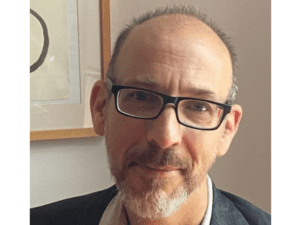
Marc Perreault
Neuropsychologist
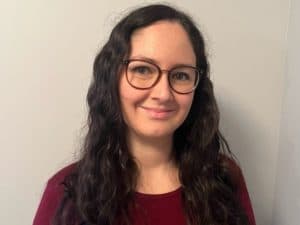
Alexe Boivin Mercier
Neuropsychologist

Martine Fortier
Neuropsychologist
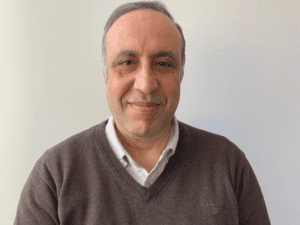
Tarek Bellaj
Neuropsychologist
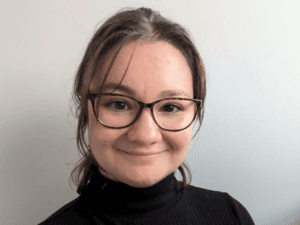
Elsa Witty
Neuropsychologist
Annie Clermont
Neuropsychologist
Annie Clermont
Neuropsychologist
Marco Schenk
Doctoral student in psychology
Dre Nathalie Desormeaux
Neuropsychologist

Kevin Bastien
Neuropsychologist
Sonia Ben Jemaa
Neuropsychologist
Stéphanie Audet
Neuropsychologist
Dominique Roy
Special education teacher

Louis Gauthier
Neuropsychology resident

Geneviève Lefebvre
Neuropsychologist
Jessica Lapointe
Neuropsychologist & Manager
Émeline Jean
Psychologist
Émeline Jean
Psychologist
Marie-Hélène Scalzulli
Psychoeducator

Martine Savaria
Certified parenting coach
The Familio advantage

Quick care by a professional
Support adapted to your needs
Access to interdisciplinary services
Welcoming and warm environment