

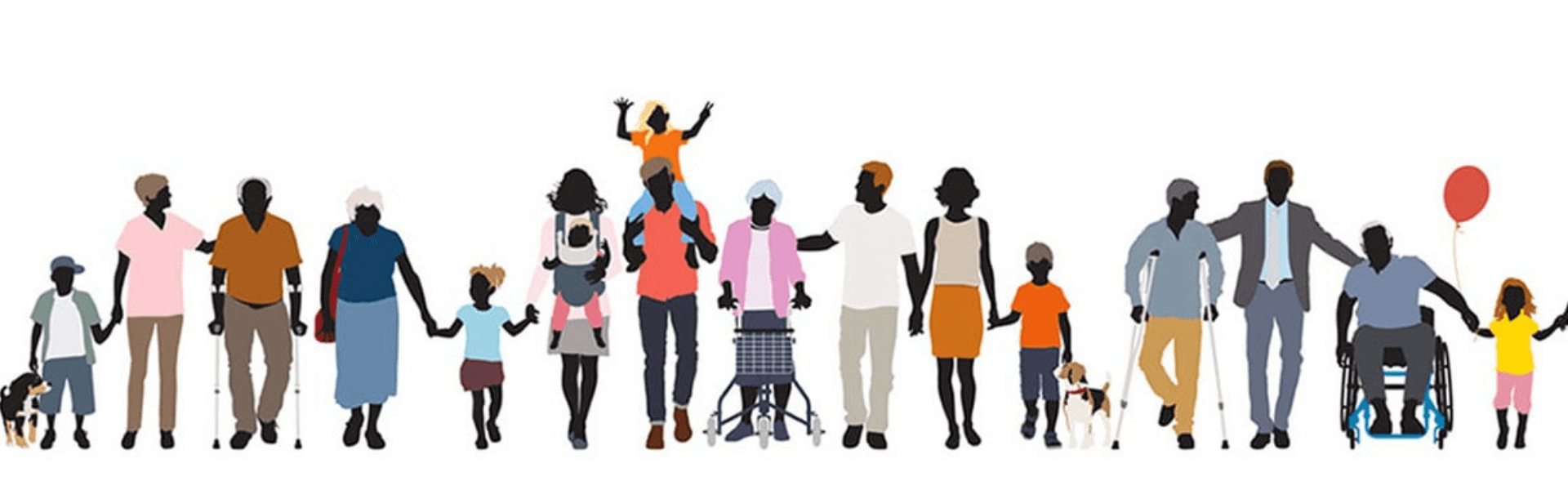
Caregivers: the often invisible pillars of our society
Supporting a loved one in loss of independence. Supporting a spouse facing illness. Being present for a child who lives with particular challenges. For many caregivers, these situations are not exceptional. They are simply part of everyday life.
Days fill up with appointments, important conversations, small acts of care and decisions to be made. You reassure, you listen, you look for solutions. You do your best to be there… sometimes neglecting, unintentionally, your own physical and mental health. Often, this role settles in gradually, almost without noticing. And one day, you realize you have become a caregiver.
This role as a caregiver is often taken on with much love and dedication. But it can also become demanding emotionally, physically and mentally.
In this article, we propose to help you better understand who today’s caregivers are, the role they play day to day and the impacts this responsibility can have on their well‑being. Because behind every person being supported, there is also someone who cares… and who also deserves to be supported.
Who are caregivers today?
Caregivers do not form a separate group. They are part of our daily lives. They are parents, spouses, children, colleagues, friends. Maybe even you.
In Quebec alone, nearly one in four people acts as a caregiver. That represents hundreds of thousands of people who, every day, support an aging parent, an ill spouse, a child in difficulty or a loved one in a vulnerable situation (Council on the Status of Women).
Age also plays an important role. The largest group is between 45 and 64 years, a life stage where many find themselves at the heart of what is sometimes called the sandwich generation: adults who support both their aging parents and their own children (Quebec Observatory on Caregiving).
But beyond the numbers, another reality strikes: being a caregiver takes time. A lot of time. On average, they devote more than 5 hours per day to supporting the person they accompany. That represents more than 30 hours per week, almost the equivalent of a full‑time job… often taken on in addition to work, family and other everyday responsibilities (Canadian Centre for Caregiving Excellence). And this burden is not without consequences. Indeed, in Canada, one in four caregivers considers their mental health to be fair or poor. Fatigue, worry and the feeling of being overwhelmed are among the emotions most often reported (Canadian Centre for Caregiving Excellence). The pressure becomes so great that one in three caregivers experiences significant burnout (HR Reporter).
Caregiver or informal caregiver: what’s the difference?
The terms aidant naturel, aidant or proche aidant are often used to refer to people who support a member of their circle living with an illness, a loss of autonomy or a disability. For a long time, the term aidant naturel was the most common. Today, in Quebec, the expression personne proche aidante is preferred, notably since the 2020 adoption of the Act to recognize and support caregivers. This designation emphasizes the relationship with the person being cared for and recognizes that this role can be assumed by different people: a spouse, a parent, an adult child, a friend or even a neighbor.
According to the National Policy for Caregivers, it is “any person who provides support to a member of their circle who has a disability […] with whom they share an emotional, family or non‑family bond.” Behind this definition, however, lies a reality that is often more complex. Supporting a loved one requires time, energy and a significant emotional commitment. But concretely, what does it mean to be a caregiver on a daily basis?
The caregiver’s daily role
Being a caregiver can take many forms and evolve over time. The support offered can be occasional or constant, and may last for a short period or several years. It can also affect many dimensions of the cared‑for person’s life, ranging from emotional support to help with daily tasks (the Government of Quebec,).
Concretely, caregivers can provide a presence and moral support, accompany their loved one to medical appointments or be present at moments of important decisions. They can also contribute to daily life: preparing meals, helping with household maintenance, accompanying on outings or supporting the person with personal care.
The caregiver’s role also often involves coordinating care, assisting their loved one with certain administrative steps and communicating with health professionals. Caregivers also play an important role in ensuring the person being cared for remains socially active and that their dignity is preserved. As emphasized by the Quebec Observatory on Caregiving, this support can be emotional, practical, medical or logistical. Behind these various responsibilities, however, lies an important reality: providing this support requires time, energy and an emotional commitment that can also impact the caregiver’s mental health and balance.
Impacts on caregivers' mental health
Supporting a loved one can be deeply meaningful and full of purpose. However, this role often requires a great deal of energy, attention and emotional engagement. Over time, the responsibilities associated with caregiving can affect personal balance and the ability to take care of one’s own mental health, especially when having to reconcile work, family and other obligations. Many people thus experience an accumulation of worries, stress and fatigue. The feeling of responsibility toward the loved one, the mental load related to care and decisions to be made, or the fear of seeing the situation deteriorate can become heavy to bear.
When these pressures persist over time, they can affect psychological well‑being and emotional balance. Some people may feel irritability, a sense of being overwhelmed or a certain isolation. In these moments, it can become important to seek support and sometimes consult to obtain psychological help. Recognizing one’s own needs not only helps preserve mental health, but also maintains the ability to provide sustainable support to one’s loved one.
Signs that a caregiver needs support
Certain signs may indicate that the burden is becoming too heavy: persistent fatigue, a feeling of being constantly overwhelmed, more frequent irritability, difficulty concentrating or a growing sense of guilt…
Feeling isolated, losing interest in activities usually enjoyed or feeling like you no longer have space for yourself can also reflect a mix of emotions: the desire to help, mixed with anger, sadness and the feeling of being caught in a reality sometimes imposed — an experience that can echo certain stages of grief.
Recognizing these signals is an important step in preserving your balance. Asking for help, taking respite or speaking with a professional can help you regain some breathing room and continue to support your loved one under better conditions.
How to better support caregivers
Recognizing the challenges related to caregiving is an important first step. For many caregivers, receiving support can make a real difference in their ability to preserve their balance and continue to accompany the person they care for. Caregiving can affect many areas of life: mental health, physical health, family life, finances or studies. That is why it is essential that caregivers and their circle have access to appropriate resources.
Various support services exist to help people who provide support to a member of their circle living with a loss of independence, an illness or difficulties related to mental health or well‑being. These resources can help you better understand what you are experiencing and find ways to take care of yourself while continuing to be there for your loved one. You will find a list below.
If you are living this reality as a caregiver and feel the need to talk about it, it may be helpful to consult a professional. The Familio team offers you a listening and support space to help you get through this period.
Sources and references
The data and information presented in this article are based on research and publications from recognized organizations in Quebec and Canada specializing in caregiving, mental health and social realities.
Library of the National Assembly of Quebec.
Food for thought: caregiving in Quebec.Council on the Status of Women.
One in four people is a caregiver in Quebec.Canadian Foundation for Caregiver Support.
Being a caregiver in Canada.HR Reporter.
Canadians with caregiving responsibilities face higher mental health risks: report.Quebec Observatory on Caregiving.
Caregiving.Statistics Quebec.
Caregivers.
Resources for caregivers
If you are a caregiver or you are accompanying someone in this reality, several organizations offer support, information and resources in Quebec.
L'Appui for caregivers
https://www.lappui.org/fr/je-suis-aidant/etre-proche-aidant/connaitre-les-droits-et-les-statuts-du-proche-aidant/proche-aidant-ou-aidant-naturel/
This page brings together numerous useful resources, tools and information for caregivers, including explanations about rights, statuses, aid programs and services available. To avoid overloading this article, we have not reproduced all of these resources here, but we invite you to consult this page which is an excellent starting point.
By:
Kym Lefebvre Gamache
Related articles

Clinical Supervision in Mental Health: Learning, Growing, and Sharing
Clinical supervision can support mental health professionals at various stages of their careers: during training, in the early years of practice, when entering a new field of expertise, or simply when they wish to continue developing their professional practice.

Are you wondering if it's ADHD? When to seek help and what a neuropsychological evaluation is for
Are you wondering if it's ADHD? A neuropsychological evaluation goes beyond a diagnosis and sheds light on how your cognitive functions work in everyday life.

Assessment of dyslexia and dysorthographia: how to recognize them and when to consult
Summer is drawing to a close and already you are thinking about the start of the school year. You recall last year's homework evenings: your child settling down, pencil in hand, trying, trying again. And yet the words get jumbled, reading drags on, writing wears him out. You watch him: a curious, lively child, capable of telling a thousand stories aloud. But when faced with a page, the effort takes over.