


Learning to navigate all the facets of guilt
What is guilt?
Guilt is the feeling of having committed a wrongdoing, whether real or imagined, intentional or accidental. A person’s feeling of guilt is generally linked to their moral code. Guilt is not necessarily bad. Sometimes it can even be productive. Feeling bad after making a mistake can lead to changes, such as apologies or deciding to make different choices in the future. A “guilty pleasure” can describe something harmless that a person enjoys even though they think they shouldn’t or feel embarrassed by their tastes.
But guilt can sometimes be harmful. In excess, it can cause physical symptoms, self-doubt, lowered self-esteem, and shame. It can be difficult to overcome these feelings, especially in cases of chronic guilt, which is why it’s important to understand it well, recognize it, and know how to deconstruct it.
COVID and guilt
While guilt is a normal emotion, one can say it was greatly amplified by the pandemic. Indeed, if you feel like you experienced a lot of guilt during COVID, know that you’re not the only ones. And above all, that it’s normal.
During COVID, guilt stemmed from several situations that occurred all at once:
- catching the virus and passing it on
- being exhausted from having the children at home and wanting time for yourself
- following health rules too strictly or not strictly enough
- sending children back to school or daycare, or not
- not performing well at work, at home, as a parent, as a partner, as a friend
- Your screen time or your children’s
- Telling yourself you shouldn’t find it difficult because others are in a worse situation than you (“at least I’m not alone” when you’re fed up with your family, “at least I don’t have children” even though loneliness weighs on you)
Now that life is slowly returning to normal, some feel like they can finally breathe while for others, guilt takes over. After two years of following strict rules, it can be hard to shake the constant feeling that you’re doing something wrong. Some will feel guilty because deep down they preferred their life in quarantine, because their financial situation deteriorated during the pandemic, because their mental health took a hit, because they caught the virus without consequences while others died from it. The list is long and varies according to each person’s reality.
TheMom Guilt
For certain segments of the population, mothers specifically, guilt is so present that it has become a social phenomenon. Many mothers admit to forgetting and abandoning themselves for the sake of their children. Why? Because in today’s society, the more a mother does for her children, the more she is judged positively (by herself and by others). And when they decide to put themselves first, prioritizing their career, interests, or well‑being, negative judgments fly from all directions, but mostly from within themselves. It should be noted, however, that this pressure is not applied to fathers, thereby widening the gap between expectations placed on mothers and the amplification of the resulting guilt.
What to do to work on our guilt
Now that we know guilt is a normal (and sometimes even expected) emotion, it’s important to make sure we manage it well. Here are some ways to do that.
Acknowledge the feeling of guilt
Becoming aware of the feeling of guilt allows you to begin identifying its causes and the very nature of that guilt: is it justified? disproportionate? Answering the question “What exactly do you feel guilty about?” helps put words to the emotion.
Explore the source of the guilt
Understanding the sources of the problem remains the best strategy for resolving it. What was your real intention when you acted against your norms? Intention to harm, act of revenge, malice, accident, thrill-seeking… Did you feel some relief or pleasure? Be honest. There is nothing reprehensible about accepting your darker side. Not acknowledging it is denying human nature. Everyone has the right to make mistakes. If you determine that apologies or reparations are appropriate, do them! By apologizing, you show remorse and regret to the person you hurt and let them know how you intend to avoid repeating the same mistake in the future.
Learn from your mistakes
Before you can leave the past behind, you must accept it and learn from it. This will help you determine what changes you can make in the future to reduce the chances of a situation recurring.
Have self-compassion
A mistake does not make you a bad person—everyone is wrong sometimes. Reminding yourself of your worth and, above all, that you have the right to make mistakes can strengthen confidence, allowing you to examine situations more objectively and avoid being driven by emotional distress.
Forgive yourself
Self-forgiveness is a key element of self-compassion. When you forgive yourself, you acknowledge that you made a mistake, like every other human. Then you can look to the future without letting that mistake define you. You grant yourself love and kindness by accepting your imperfect self.
Related articles

Preventing mental fatigue: take care of your health to avoid burnout
Between personal responsibilities, the workplace, unexpected events, and an often demanding pace of life, our brains are now under constant strain. Notifications, screens, multitasking, and the need for instant gratification sometimes leave little room to truly unwind or recharge. This reality is becoming increasingly prevalent. In 2023, more than 4.1 million Canadian workers reported experiencing high levels of work-related stress and daily overload.

Understanding grief: stages, emotions and the grieving process | Familio
When pain returns as time passes, it’s normal to wonder why. We hear about the stages of grief, as if simply going through them one by one would make things better. As if there were a "right way" to grieve. Yet grief does not follow a straight line. It can come back in waves, take different forms, and be experienced very differently from one person to another. Understanding what is happening can help put words to what we feel, recognize returning emotions, and know when to seek support.
Caregivers: the often invisible pillars of our society
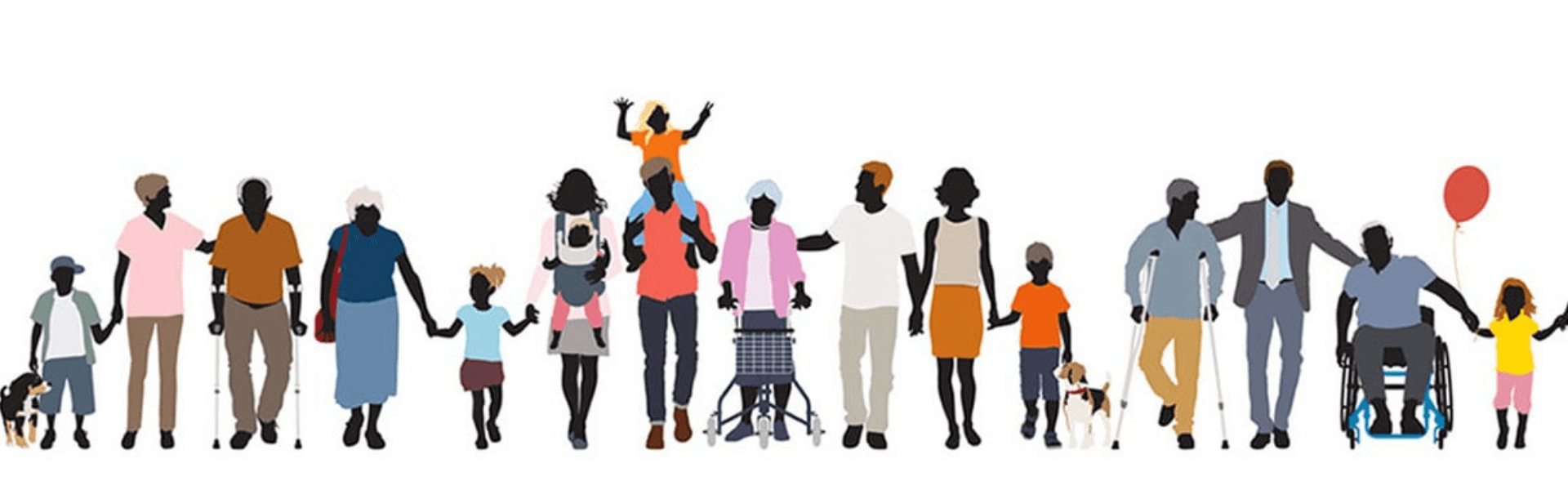
Supporting a loved one experiencing loss of autonomy, caring for an ill spouse, or being present for a child with particular challenges — for many caregivers, these situations are simply part of daily life. Learn about caregivers, the impact on their mental health, and how to better support them.