

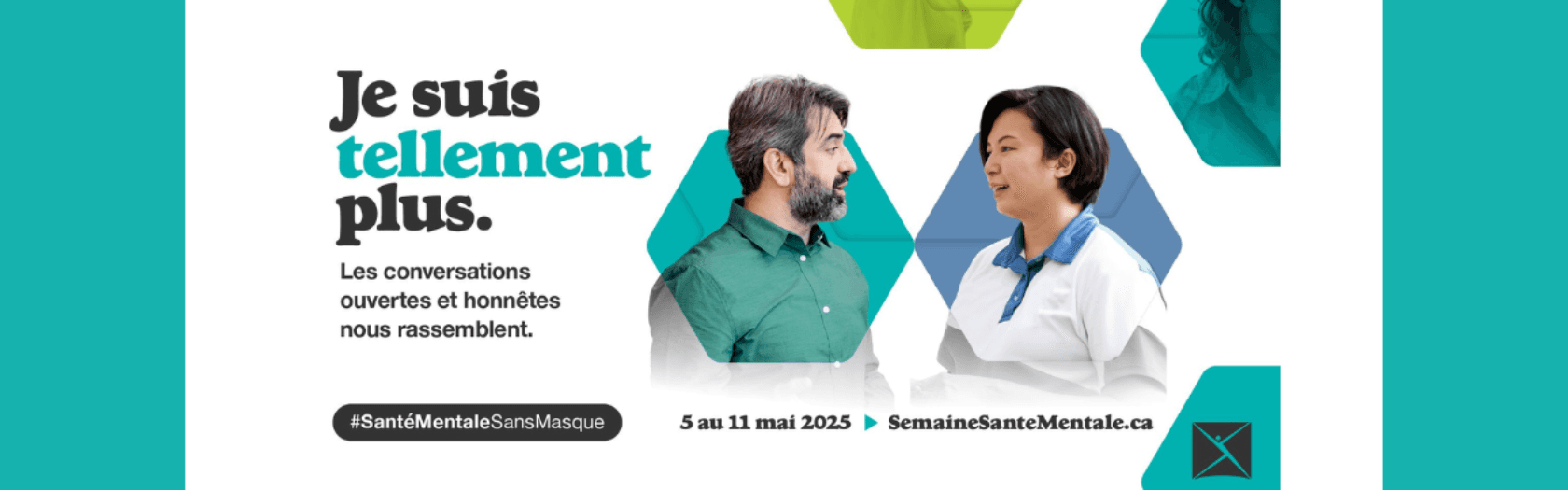
Mental health without the mask: what if we dropped the appearances?
Have you ever said "I'm fine" when nothing was okay? You are not alone. In 2025, nearly 76% of Quebecers report experiencing anxiety "often or occasionally," and more than half say they feel stressed on a daily basis [Léger, 2023]. As the theme of the Canadian Mental Health Association (CMHA)'s 2025 Mental Health Week invites us to drop the mask, Familio spoke with Mr. Marc-André Dufour, a psychologist and spokesperson for the campaign, to better understand what happens inside us when we pretend everything is fine — and how to learn to be a bit more genuine, one step at a time.
2025 under strain: when survival takes over
In 2025, many of us live in "survival mode" every day. We carry a baseline fatigue, a kind of collective breathlessness that colors our days without us always noticing. Economic pressure, anxiety-provoking news, and environmental worries weigh heavily on the mental balance of Quebecers. It is therefore not surprising that reported levels of stress and anxiety are among the highest in recent years [Léger, 2023].
The main sources of anxiety identified include rising interest rates (52%), fear of running out of money (51%), and climate change (49%) [Léger, 2023]. More than half of Quebecers (54%) experienced symptoms of eco-anxiety in the past year, and 86% consider the climate crisis to be urgent [Léger – eco-anxiety, 2023].
And tensions in the public sphere do not help the cause. More and more of us feel uneasy about debates that are hardening, where opinions are often presented as all or nothing, with no room for nuance. This constant polarization, amplified by the media and anxiety-inducing news, also helps keep us in an almost permanent state of alert [INSPQ, 2024].
This climate of alarm is fed by multiple factors: the rising cost of living, climate anxiety, but also increasing polarization in the public sphere. More and more people feel a deep discomfort with social and political debates that have become rigid and polarized, where expressing nuance is often difficult [INSPQ, 2024]. Constant ideological tensions and anxiety-inducing media coverage contribute to a permanent state of vigilance.
Psychologist Marc-André Dufour rightly points out that, in this tense climate, our reflexes change — even in the small gestures of daily life: "When there's a fire, we don't take the time to be courteous. We act quickly, sometimes harshly. That's what we see in society right now."
He issues a call: "It's not a question of denying the problems, but of allowing ourselves to breathe, to calm down. It is by reconnecting with ourselves that we can truly take care of ourselves and others. Experiencing stress when the threat is real is normal. It's a survival reflex — it's what has allowed us, as humans, to get through the ages."
What is the "mask" in mental health?
When the pressure becomes too strong, we end up hiding what we're really going through. By reflex or out of fear of judgment, we plaster on a smile and say everything is fine. That's what it means to wear a mask. According to the CMHA, wearing a mask is "hiding parts of oneself to fit in or avoid being judged." Among young people, this can look like always pretending to be happy; among parents, denying burnout; and in the workplace, masking one's anxiety to maintain an image of competence [CMHA, The Mask 101, 2025].
But by hiding for so long, the consequences can be serious: loss of identity, isolation, sleep disorders, headaches, and even misdiagnoses in mental health [CMHA, Effects of the Mask, 2025].
"The more sensitive and aware we are of what is happening around us, the harder it becomes not to suffer," he adds. "But that awareness is also essential to change things."
How to safely take off your mask?
"I'm not talking about showing vulnerability to a boss who is focused on performance or success. That might not be the right person to start with!" the psychologist says with a half-smile. "But you can start by taking off your mask when you are alone with yourself. For example, if you feed your social networks with an image of a high-performing, perfect self, but when you're alone you feel disappointed or inadequate because you can't live up to that ideal, you can become depressed."
He continues: "And to be well, you must first and foremost take care of yourself. If I don't take care of myself, if I don't look at my emotions, if I'm always in avoidance — working without stopping, distracting myself in front of a screen, constantly traveling — I end up losing touch with what I feel."
"And if we're not in touch with our emotions, we keep moving forward without slowing down… until something breaks. When we accept our own vulnerability, we slow down, we take care of ourselves, and then it's easier to take care of others. Because we give ourselves permission to be in pain."
"And conversely, when someone gives us that permission, listens to us, welcomes our distress without judgment, it soothes. Sometimes we don't need to say much. Just listen, show that we're there."
The CMHA's advice follows the same line: start with small steps, in low-risk situations; determine who you feel safe enough to share with; take care of yourself by recharging, resting, and choosing safe environments [CMHA, Without a Mask, 2025].
What if we helped others take theirs off?
One of the keys, as psychologist Marc-André Dufour emphasizes, is empathy. "We need to put empathy back at the forefront. Compassion for oneself, and for the other. It's what allows us to depolarize, to build bridges."
He reminds us that, conversely, some well-intentioned reactions can reinforce the mask — like saying "it will pass," suggesting a yoga class — "that will fix your anxiety!", or offering ready-made solutions instead of listening: giving advice too quickly, minimizing the other's pain, insisting they pull themselves together. Sometimes, simply listening without judging is enough.
The CMHA proposes several concrete courses of action: ask "Are you okay?" twice, talk openly about mental health, create peer-support spaces, and train on the realities of systemic oppression to better understand the social barriers to self-expression [CMHA, Without a Mask, 2025].
To conclude: I am so much more
"We don't have to think like the other person to accept them as they are," concludes the psychologist. "The person in front of you may have very different values, but they also have a history, a suffering. And if we try to understand instead of judge, something beautiful can happen."
Putting empathy first means cultivating the ability to see the other and put yourself in their shoes, even if they are different. Sometimes, anger or the search for someone to blame prevents us from looking at ourselves. We close ourselves off to questioning. But at the level of the social fabric, things are not well. Those who are sensitive are struggling: anxiety, depression… Yet it is this awareness that can help us take care of ourselves and the community. And psychologist Marc-André Dufour says he deeply believes in these aware and sensitive people, whom he considers key agents of change. At Familio, we firmly believe that mental well-being should not be a luxury or a taboo subject. Offering a caring listening space where each person can leave their masks safely is our daily mission. Because mental health is everyone's business — and by taking care of ourselves, we also learn to take care of others. Want to talk to a professional?Make an appointment with a member of our team today.
By
Kym Lefebvre Gamache
Going beyond the mask
Mental health without a mask: what if we dropped appearances?
- Canadian Mental Health Association – Quebec. (2025). Rediscover your spark. https://retrouversonentrainqc.ca/
- Feel Better… My Way – Personalized, free, interactive self-management tool. https://allermieuxamafacon.ca
- Podcast "Entre les deux oreilles" – Quebec podcast on mental health issues. https://www.ausha.co/channel/entre-les-deux-oreilles
- Marc-André Dufour. (2025). How to Keep Hope in a World in Crisis? To Better Face Humanity's Challenges. Éditions Trécarré.
- Online assessment – CMHA – Snapshot of your positive mental health. https://cmha.ca/fr/programs-services/evaluation-de-la-sante-mentale/
- Wellness Together Canada – Support platform and self-care tools accessible 24/7. https://www.wellnesstogether.ca/fr-CA
- eSantéMentale.ca – Anonymous and clinically validated self-assessment tools. https://www.esantementale.ca/
- Dr. Christine Grou. (2022). Living Better with Mental Health. Éditions Trécarré. A popular book by the president of the Order of Psychologists of Quebec that addresses destigmatization, common disorders, and levers of resilience.
- Dr. Mélissa Généreux. (2023). Rethinking Health. Éditions du CHU Sainte-Justine. This book explores the links between the social environment, collective crises, and mental health, with a rigorous yet accessible approach.
- Dr. Nathalie Plaat. (2020). Getting Out of Anxiety. Éditions de l’Homme. A Quebec psychologist offers concrete tools to soothe anxiety and better understand internal defense mechanisms, including the social mask.
- Relief (formerly Revivre) – Self-management workshops to better cope with anxiety or depression. https://relief.ca
- Toolkit "7 tips to recharge" – Playful tools for taking care of your mental health. https://trousse7astuces.ca
Sources
- Canadian Mental Health Association. (2025). The Mask 101. https://semaine-sante-mentale.ca/wp-content/uploads/2024/04/ACSM-Semaine-de-la-sante-mentale-fiche-dinformation-Le-Masque-101.pdf
- Canadian Mental Health Association. (2025). Effects of the Mask. https://semaine-sante-mentale.ca/wp-content/uploads/2024/04/ACSM-Semaine-de-la-sante-mentale-fiche-dinformation-Effets-du-Masque.pdf
- Centraide of Greater Montreal. (2023). Survey on inflation and well-being. https://www.centraide-mtl.org/fr/actualites/sondage-inflation-et-bien-etre/
- INSPQ. (2024). Mental health and social climate. https://www.inspq.qc.ca/sujets/sante-mentale
- Ipsos. (2024). Survey on financial anxiety in Canada. https://www.ipsos.com/fr-ca/news-polls/sondage-anxiete-financiere-canada
- Léger. (2023). Anxiety and depression. https://leger360.com/fr/anxiete-et-depression/
- Léger. (2023). The level of eco-anxiety in Quebec. https://leger360.com/surveys/le-niveau-decoanxiete-au-quebec/
- Quebec Observatory on Inequalities. (2021). Eco-anxiety in Quebec. https://inegalites.ca/ecoanxiete-au-quebec/
- Statistics Canada. (2024). Mental health symptoms in Canada, 2023. https://www150.statcan.gc.ca/n1/pub/11-627-m/11-627-m2024012-fra.htm
Related articles

Preventing mental fatigue: take care of your health to avoid burnout
Between personal responsibilities, the workplace, unexpected events, and an often demanding pace of life, our brains are now under constant strain. Notifications, screens, multitasking, and the need for instant gratification sometimes leave little room to truly unwind or recharge. This reality is becoming increasingly prevalent. In 2023, more than 4.1 million Canadian workers reported experiencing high levels of work-related stress and daily overload.
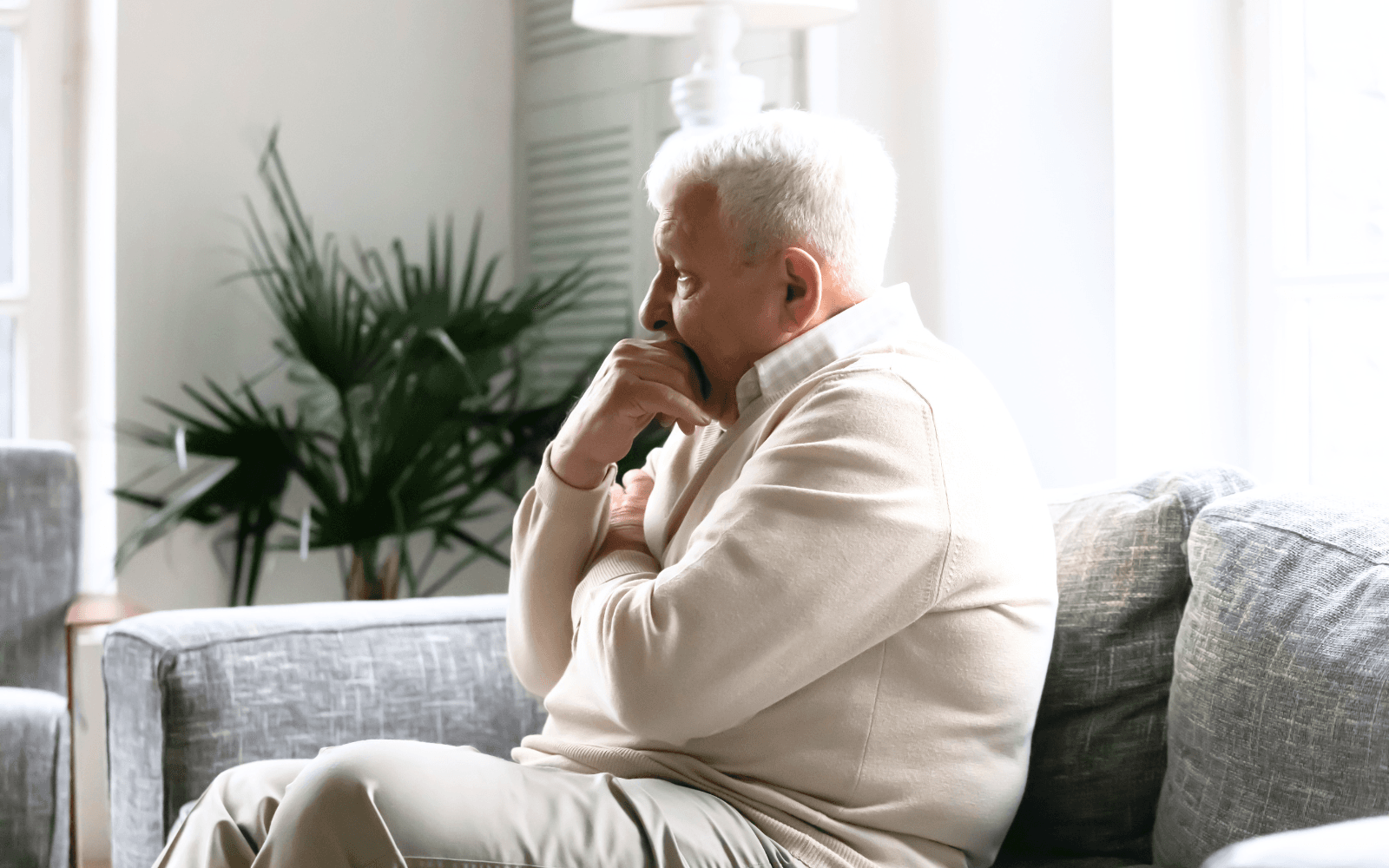
Understanding grief: stages, emotions and the grieving process | Familio
When pain returns as time passes, it’s normal to wonder why. We hear about the stages of grief, as if simply going through them one by one would make things better. As if there were a "right way" to grieve. Yet grief does not follow a straight line. It can come back in waves, take different forms, and be experienced very differently from one person to another. Understanding what is happening can help put words to what we feel, recognize returning emotions, and know when to seek support.
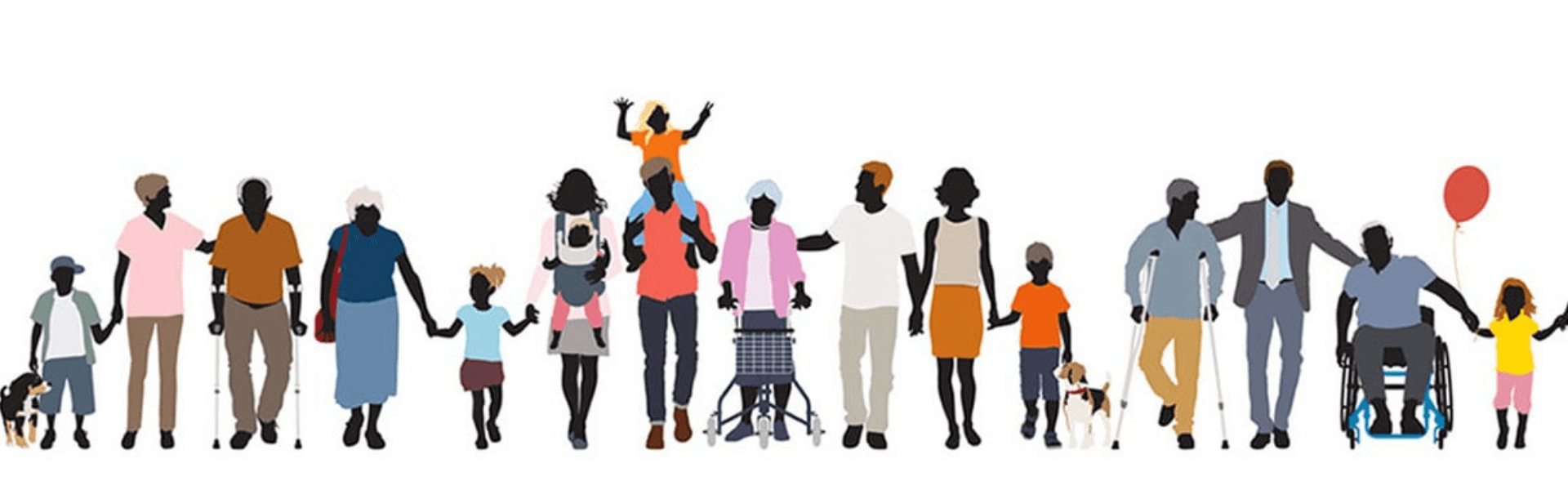
Caregivers: the often invisible pillars of our society
Supporting a loved one experiencing loss of autonomy, caring for an ill spouse, or being present for a child with particular challenges — for many caregivers, these situations are simply part of daily life. Learn about caregivers, the impact on their mental health, and how to better support them.