


Why I chose Familio: the experience of a mental health professional
Nicolas is a psychologist. In 2020, after having worked in another professional field for several years, he decided to return to his practice in psychology. He was looking for a job opportunity and had heard about Familio, a group of private clinics offering mental health care, and wanted to learn more. Three years later, he continues to thrive as a psychologist within the ever-growing Familio team. Discover Nicolas's experience, why he chose Familio and what makes the difference for him and his clients as a mental health professional.
Why I chose Familio
When asked why he chose Familio, Nicolas's answer is quick and unequivocal. "Why did I choose Familio? It was really love at first sight when I met Jean-François and Julie. Their way of being, how they maintain culture and connections within the team, their way of working, their presence makes me want to work with them and get even more involved." Julie, as Nicolas calls her, is Julie Lebeau, the Director of Operations and Manager of Familio Rosemont; Jean-François is Jean-François Michaud, who is Vice-President of Development and co-founder of Familio.
"They are rigorously professional, but also so human in their sensitivity and their interactions with people. In a context where I work with people who are struggling, it's important to have lightness and understanding. To have healthy, pleasant, and light contacts, but also deep and professional ones. It's a balance I find when I leave my office at Familio."
The Familio advantage
Talking with Nicolas, you quickly realize that in his eyes, the true advantage of working at Familio is first and foremost being part of a group of professionals who really want to make a difference. "We're looking for people who want to be not only professionals but also colleagues. When I come here, I'm not just a psychologist, but a member of a team that I love and identify with."
The opportunity to work with a pool of diverse professionals is also a real advantage for Nicolas: "There are not only different types of professionals, but also different orientations within the same profession. And not everyone has the same clientele either. Hearing the various points of view and perspectives of my colleagues on different cases is extremely enriching. It allows me to deepen my knowledge and continue to develop as a professional." The schedule of clinical activities offered by Familio, with more than thirty activities and about fifteen accredited hours, contributes to these exchanges and allows professionals to continue to develop. "Familio offers structured and more formal activities, case discussions, workshops and larger team discussions where we are in contact with all kinds of professionals and where we exchange about our clinical experience. It's really very enriching."
"The other advantage is also being able to refer a client based on an issue that we can't necessarily treat or take on because it's not our specialty. When we can't directly help someone, we can refer them to another specialist colleague. For me, it's really reassuring to know that we have several strings to our bow."
Positive atmosphere and flexible scheduling
Like many health professionals, Nicolas is self-employed. He could have decided to work from home, or to rent a private office. But he chose Familio. "I have the freedom to work where I want, and for me it's important to feel good in a place where I spend so much time. I work with people's distress and it could be very easy to let people's vulnerability follow me into my personal life. But at Familio, there is something very warm. There is a certain discretion in the hallways, but you feel a really positive energy and we have all the resources we need to work."
According to Nicolas, flexible scheduling is also one of the important advantages of working at Familio. "I have the ability to choose my work schedule according to my needs. It allows me to better balance my personal and professional life," he says.
Clinical Coordinators: more than administrative support for payments and appointment scheduling
Nicolas also emphasizes the importance of the Clinical Coordinators at Familio. Because while it's really helpful to receive administrative support for appointment management and payments, the clinical coordinators are much more than that in his view. "The clinical coordinators are the link between incoming client requests and the expertise available at the clinic. They must have sensitivity to the different types of issues that exist, and without knowing everything, have a good understanding of mental health, the education system, family dynamics, and they must know the professionals who work at the clinic, their fields of expertise as well as their preferences to assign the right client to the right person. They guide clients to the right professional. And even if there is some margin of error, it really changes the clients' trajectories," says Nicolas.
Making a difference for our clients
Nicolas also highlighted the benefits for clients of receiving services at Familio. Often, a new client comes in for a family member and then realizes the multitude of resources offered. "We really have professionals for all needs and types of clients. People trust the professionals and choose us not only for themselves but also for the rest of their family. It's reassuring to have all services under one roof."
Again, the diversity of professions and approaches is also a marked advantage for the client. "It often happens that a person consults several professionals at the same time. Not only do we help them in different areas of their life, but it's also faster to refer them to other professionals when they work in the same place as you. Our clients benefit from the experience and expertise of our entire team of professionals, which ensures quality care."
Another advantage for Familio clients is the remote appointments that have been offered since the start of the pandemic. At the height of the Covid-19 crisis, up to 50% of Nicolas's practice was conducted remotely. Today, it's rather about 1%. "I think there is a real benefit to being in person, but I have also had very rich and rewarding follow-ups remotely. There's also a benefit to the client not having to travel: they can work with a professional even if they live far from the clinic. So it allows a greater number of people to get help," he says.
Conclusion
In conclusion, working at Familio offers numerous advantages for mental health professionals, such as belonging to a team of engaged professionals, interprofessional collaboration, scheduling flexibility, the possibility of working with a variety of clients, administrative support, accredited clinical activities, and modern, welcoming offices. Additionally, clients themselves benefit from services tailored to their specific needs and an experienced team of professionals. If you are a mental health professional looking for new career opportunities, Familio is a place where you could thrive. To learn more about Familio and the professional opportunities offered, visit our recruitment page.
Related articles

Preventing mental fatigue: take care of your health to avoid burnout
Between personal responsibilities, the workplace, unexpected events, and an often demanding pace of life, our brains are now under constant strain. Notifications, screens, multitasking, and the need for instant gratification sometimes leave little room to truly unwind or recharge. This reality is becoming increasingly prevalent. In 2023, more than 4.1 million Canadian workers reported experiencing high levels of work-related stress and daily overload.

Understanding grief: stages, emotions and the grieving process | Familio
When pain returns as time passes, it’s normal to wonder why. We hear about the stages of grief, as if simply going through them one by one would make things better. As if there were a "right way" to grieve. Yet grief does not follow a straight line. It can come back in waves, take different forms, and be experienced very differently from one person to another. Understanding what is happening can help put words to what we feel, recognize returning emotions, and know when to seek support.
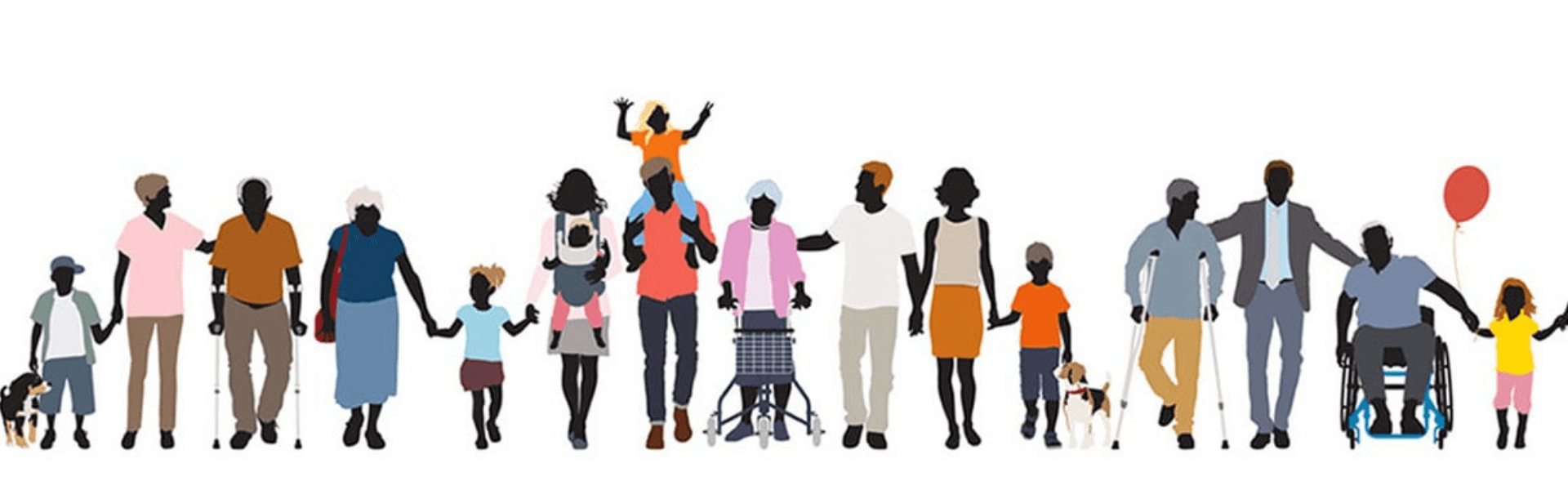
Caregivers: the often invisible pillars of our society
Supporting a loved one experiencing loss of autonomy, caring for an ill spouse, or being present for a child with particular challenges — for many caregivers, these situations are simply part of daily life. Learn about caregivers, the impact on their mental health, and how to better support them.