

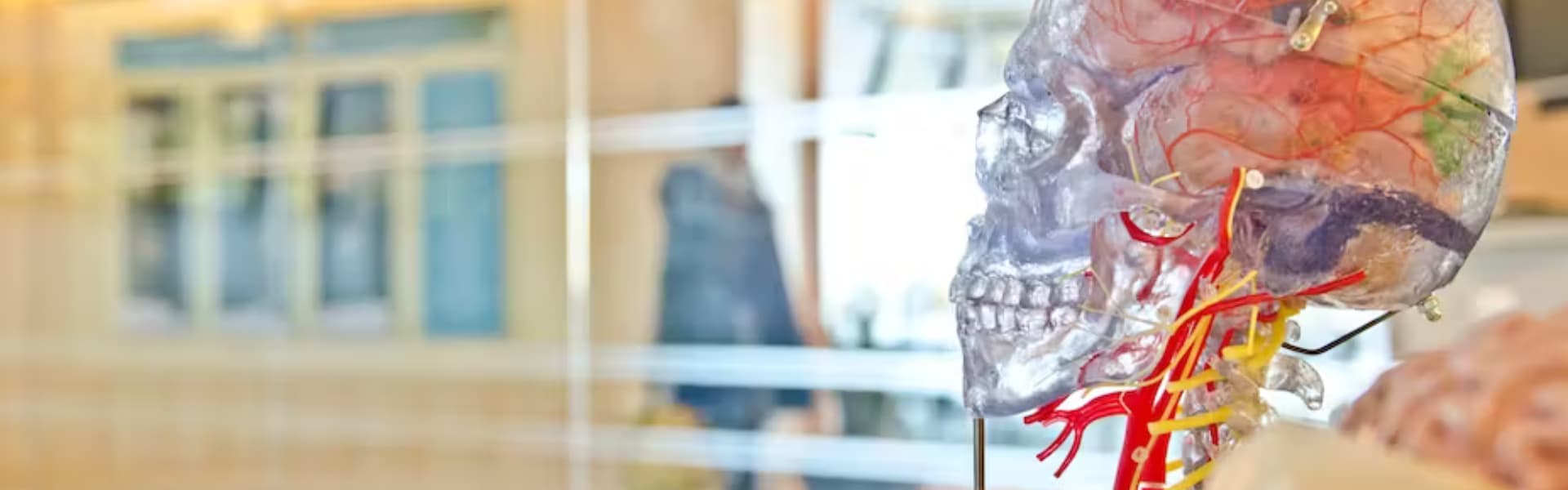
Neuropsychology and concussion in sport
The risk of suffering a concussion is unfortunately part of the reality for athletes. Fortunately, when properly diagnosed and well treated, the long-term repercussions of this type of incident can be minimized. Here is an overview of what a concussion is and how neuropsychology can help you overcome it.
What is a concussion?
A concussion is a traumatic brain injury induced by biomechanical forces. It can be caused by a direct blow to the head, neck, or elsewhere on the body with an impulsive force transmitted to the head. In other words, it is a blow that affects the brain and the underlying structures.
What are the clinical signs and symptoms of a concussion?
A concussion usually manifests through various clinical signs and symptoms.
Clinical signs: amnesia, loss of consciousness*
Somatic symptoms: headache, dizziness, nausea and/or vomiting, sensitivity to sound (phonophobia) and/or to light (photophobia), visual and/or balance problems, fatigue
Cognitive symptoms: attention difficulties, memory problems, slowed information processing, feeling like being "in a mental fog"
Affective symptoms: irritability, increased emotional sensitivity and/or emotional lability (sudden, rapid, and intense emotional changes), nervousness or anxiety, sadness
Sleep-wake cycle disturbances: drowsiness, increased sleep (hypersomnia) or decreased sleep (insomnia), sleep disturbances
*Note that it is not necessary to lose consciousness to have a concussion.
These signs and symptoms often appear quickly after the blow to the head, neck, or body, but can sometimes take a few minutes to a few hours to develop. They are usually short-lived and resolve spontaneously after one to two weeks in the majority of cases (80 to 90%). However, a certain percentage (10 to 20%) of concussed athletes suffer from post-concussion syndrome, which is a cluster of symptoms that persists for weeks or months.
What are the risk factors for concussions?
Scientific studies in recent years have identified several risk factors for concussions. Among these factors are age, sex, and a history of concussions, neurological disorders, and psychiatric disorders.
It has been shown, among other things, that children are more susceptible to concussions and take longer to recover after a concussion. In addition, women and athletes who have suffered multiple concussions are at greater risk of sustaining new concussions. They also report more symptoms and exhibit more cognitive difficulties as well as prolonged recovery compared with men and athletes without a history of concussions.
What is the role of the neuropsychologist in the assessment and management of concussions?
The neuropsychologist plays an important role in the assessment and management of concussions. They evaluate the full range of cognitive functions (e.g., attention, memory, executive functions) in order to establish a detailed cognitive profile of the athlete's strengths and weaknesses. The results of the neuropsychological assessment can thus address several objectives:
Diagnosis
The neuropsychologist can determine the cause of the observed difficulties and thus contribute to the clinical diagnosis of concussion based on information obtained during the clinical interview and deficits identified during the neuropsychological assessment. They can notably help differentiate the effects of concussions from those of other medical conditions (e.g., ADHD, learning disorders, anxiety, depression).
Return to play
The neuropsychologist can make recommendations to promote a safe return to play.
Psychological support and education
The neuropsychologist also has the responsibility to inform the athlete by presenting the risks associated with their sport, and in the event that the athlete deems the risks too great and decides to stop practicing their sport, the neuropsychologist could support them through this transition.
Return to school or work:
The neuropsychologist can make recommendations to optimize the return to school or work (e.g., accommodations). The student or employee could then benefit from specialized resources and services to compensate for their difficulties at school or work.
Compensatory strategies
The neuropsychologist can also provide strategies to use the athlete's strengths to compensate for their difficulties in daily life.
Far from being inevitable, a concussion can be managed effectively with the right tools. Familio offers neuropsychology services to clients of all ages. If you think that you or your child has suffered a concussion, we invite you to contact us now to have an assessment with one of our specialists.
Related articles

The Impact of Remote Work on Mental Health: Warning Signs and Balance
Less morning traffic. No more coffee getting cold in the car. For many people, working from home was initially a relief: more relaxed mornings, time regained, and a schedule better suited to family life. Over time, however, something else can sometimes set in. The workday ends, the computer shuts down, and you’re still in the same place. Interactions have been limited to video calls and quick messages. A subtle form of isolation can then take hold.

Clinical Supervision in Mental Health: Learning, Growing, and Sharing
Clinical supervision can support mental health professionals at various stages of their careers: during training, in the early years of practice, when entering a new field of expertise, or simply when they wish to continue developing their professional practice.
Are you wondering if it's ADHD? When to seek help and what a neuropsychological evaluation is for
Are you wondering if it's ADHD? A neuropsychological evaluation goes beyond a diagnosis and sheds light on how your cognitive functions work in everyday life.