


Cognitive neurodegeneration: Understanding for better support
What is neurodegeneration ?
Neurodegeneration is a process in which nerve cells, or neurons, in the brain and central nervous system progressively break down and die, leading to disease progression. This phenomenon affects brain function and causes a range of cognitive, motor and behavioral symptoms. Major neurodegenerative diseases, such as Alzheimer’s disease, Parkinson’s disease, and Lewy body dementia, are all characterized by this progressive destruction of neurons.
Neurodegenerative diseases affect an increasing portion of the population, notably due to longer life expectancy. According to the Alzheimer Society of Canada, in 2024, 8.7% of Canadians aged 65 and over will have at least one neurocognitive disorder, and this figure could reach 13.2% by 2050. These diseases, often associated with aging, primarily affect cognition — that is, the brain’s ability to think, remember and process information.
Understanding cognitive decline
The cognitive decline observed in affected individuals is often due to the accumulation of abnormal proteins in the brain. In Alzheimer’s disease, for example, beta-amyloid plaques and tau protein tangles prevent neurons from communicating effectively, leading to memory loss and other cognitive impairments. In Parkinson’s disease, another common neurodegenerative disease, the loss of dopamine-producing neurons in the brain causes motor problems such as tremors and muscle rigidity.
These biological mechanisms are complex and varied, but they all lead to a progressive deterioration of brain functions that worsens over time and strongly affects the quality of life of people experiencing cognitive decline. It therefore becomes essential to detect and manage these diseases as early as possible to slow their progression and help people living with a disorder maintain their autonomy for as long as possible.
The importance of neuropsychology in the management and diagnosis surrounding neurodegenerative diseases
Neuropsychology plays a crucial role in the care of neurodegenerative diseases. It enables the early diagnosis of cognitive disorders through precise assessments of brain functioning. Early diagnosis is fundamental because it allows for prompt intervention, treatment adjustments and more targeted support for affected individuals.
Neuropsychologists assess cognitive functions such as memory, attention, language and perception to identify the early signs of disease and adjust care accordingly. This is particularly important for diseases like Alzheimer’s and Lewy body dementia, where early symptoms are often subtle and can be mistaken for normal aging.
In addition to diagnosis, neuropsychology enables monitoring of disease progression and adaptation of treatments according to the specific needs of each individual facing the disorder. People suffering from cognitive deterioration also benefit from cognitive rehabilitation programs designed to preserve certain brain functions and improve their quality of life despite the inevitable decline.
For relatives, neuropsychology provides resources to understand the symptoms of the disease and ways to help the person affected by the disorder on a daily basis. This helps reduce the mental and emotional burden associated with caring for someone with neurodegeneration.
The role of caregivers in the care of people with a cognitive disease
Caregivers play a central role in the management of neurodegenerative diseases and often have to navigate research on treatment options. In 2020, in Canada, nearly 44% of caregivers looking after people with neurocognitive disorders were between 45 and 65 years old, often themselves in the middle of their professional careers. Being a caregiver means taking on a complex and demanding responsibility, which includes physical care tasks, emotional support and coordination of medical services.
Caregivers face a heavy mental and emotional burden. Stress, anxiety and exhaustion are common. Many do not realize how much this role can affect their own well-being. According to the Institut de la statistique du Québec, 21.1% of the Quebec population aged 15 and over are caregivers, a figure that highlights the importance of these individuals in our society.
Caregivers can also find themselves socially isolated, physically and psychologically exhausted, and in some cases, they may not even realize they are taking on this role. Yet their support is crucial for maintaining the quality of life of people with neurodegenerative diseases.
Tips for caregivers
Supporting a person with neurodegeneration can be extremely challenging, but there are strategies to lighten the burden. Here are some tips to better live this role:
- Get informed and trained : Understanding the symptoms and specifics related to the disease helps better meet the needs of the person living with a neurodegenerative disease. Caregivers can take specific training or participate in support groups to share experiences with others facing the same realities.
- Take care of yourself : It is crucial for caregivers to look after their own mental and physical health. Taking breaks, getting help from professionals or asking for support from other family members are ways to prevent burnout.
- Use available resources : Many support programs exist to assist caregivers. At Familio, we offer accompaniment services to help better manage the care of people with neurodegeneration, as well as psychological support for caregivers.
Conclusion
Neurodegeneration and the diseases associated with it represent a growing challenge for our aging society. It is essential to understand these diseases to better support affected individuals and their relatives. Neuropsychology plays a central role in this mission by helping to diagnose cognitive disorders early and by providing tools to improve the quality of life of people in stages of neurological decline and their caregivers.
At Familio, we are committed to providing comprehensive support to families affected by these disorders. If you are a family caregiver or if you think that you or one of your relatives may be suffering from a degenerative brain disease, we are here to help.Contact us today to obtain the resources and support you need.
Resources
Caregivers
AQSP. (2018). Caregivers of a person with Alzheimer’s disease or a related disorder: challenges and solutions. Source: https://www.aqsp.org/wp-content/uploads/2018/12/Les-proches-aidants-d%E2%80%99une-personne-atteinte-de-la-maladie-dAlzheimer-ou-d%E2%80%99un-trouble-apparent%C3%A9-d%C3%A9fis-et-pistes-de-solution-1.pdf
Au fil du temps. (2024). An initiative of the Ordre des psychologues du Québec to better understand brain aging and promote kindness toward older adults. Source: https://aufildutemps.quebec/
Centre de soutien entr’Aidants. (2020). Source: https://www.centredesoutienentraidants.com/
Government of Quebec. (July 25, 2024). Family caregiver. Source: https://www.quebec.ca/famille-et-soutien-aux-personnes/personne-proche-aidante
L’Appui for caregivers. (2020). Identifying situations of abuse toward older adults. Source: https://www.lappui.org/fr/je-suis-un-professionnel/boite-a-outils/outil-de-reperage-des-situations-de-maltraitance/
RAANM. (2024). Montreal Network of Family Caregivers. Source: https://www.raanm.net/
People living with a neurodegenerative disease
Alzheimer Canada. (2024). Quebec Federation of Alzheimer Societies. Source: https://alzheimer.ca/federationquebecoise/fr
Lewy Body Resource Center. (2024). Symptoms and resources – Lewy body dementia. Source: https://lewybodyresourcecenter.org/what-is-lbd/symptoms-fr/
Parkinson Canada. (2024). Resources on exercise and well-being. Source: https://www.parkinson.ca/fr/publications/ressources-en-matiere-dexercice-et-de-bien-etre/
Parkinson Guide Clinique. (2024). Canadian guidelines on Parkinson’s disease and resources. Source: https://parkinsonguideclinique.ca/ressources/
Parkinson Québec. (2024). Source: https://parkinsonquebec.ca/
Soutien Alzheimer. (2018). Source: https://www.soutienalzheimer.com/
Sources
Bhattacharjee, S., & Sambamurti, K. (2018). "Targeting inflammation in Alzheimer’s disease."Journal of Neuroinflammation. Source: https://www.ncbi.nlm.nih.gov/pmc/articles/PMC6083604/
CERVO Brain Research Centre. (n.d.). Neurodegeneration. Source: https://cervo.ulaval.ca/fr/themes/neurodegenerescence#:~:text=La+neurod%C3%A9g%C3%A9n%C3%A9rescence+est+un+processus,ils+forment+dans+le+cerveau.
Click & Care. (2021). Neurodegenerative diseases: signs, prevention and treatments. Source: https://clickandcare.fr/blog/106-les-maladies-neurodegeneratives-signes-preventions-et-traitements#:~:text=Une+maladie+neurod%C3%A9g%C3%A9n%C3%A9rative+est+un,moelle+%C3%A9pini%C3%A8re+et+le+cerveau.
Familio. (2023). Dementia and cognitive degeneration. Source: https://familio.ca/expertises/evaluations-neuropsychologiques/demence-et-degenerescence-cognitive/
L’Appui for caregivers. (2020). Helping without burning out. Source: https://www.lappui.org/fr/je-suis-aidant/etre-proche-aidant/me-preserver-pour-mieux-aider/aider-sans-se-bruler
Related articles

Preventing mental fatigue: take care of your health to avoid burnout
Between personal responsibilities, the workplace, unexpected events, and an often demanding pace of life, our brains are now under constant strain. Notifications, screens, multitasking, and the need for instant gratification sometimes leave little room to truly unwind or recharge. This reality is becoming increasingly prevalent. In 2023, more than 4.1 million Canadian workers reported experiencing high levels of work-related stress and daily overload.

Understanding grief: stages, emotions and the grieving process | Familio
When pain returns as time passes, it’s normal to wonder why. We hear about the stages of grief, as if simply going through them one by one would make things better. As if there were a "right way" to grieve. Yet grief does not follow a straight line. It can come back in waves, take different forms, and be experienced very differently from one person to another. Understanding what is happening can help put words to what we feel, recognize returning emotions, and know when to seek support.
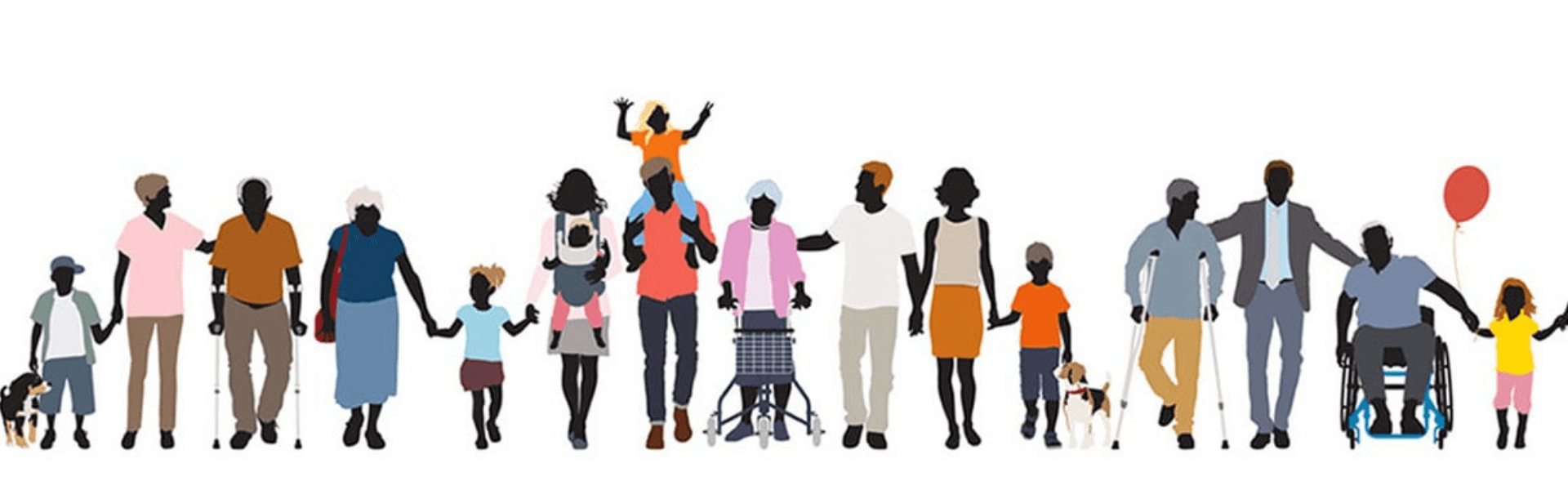
Caregivers: the often invisible pillars of our society
Supporting a loved one experiencing loss of autonomy, caring for an ill spouse, or being present for a child with particular challenges — for many caregivers, these situations are simply part of daily life. Learn about caregivers, the impact on their mental health, and how to better support them.