


Managing back-to-school stress and anxiety
About anxiety and stress
First of all, it is important to distinguish anxiety and stress. Anxiety is an emotion related to the anticipation of a future threat. It becomes problematic when it is excessive, persistent, and interferes with daily life activities.
Stress, on the other hand, is a natural bodily response to external pressure or to a situation perceived as threatening or demanding.
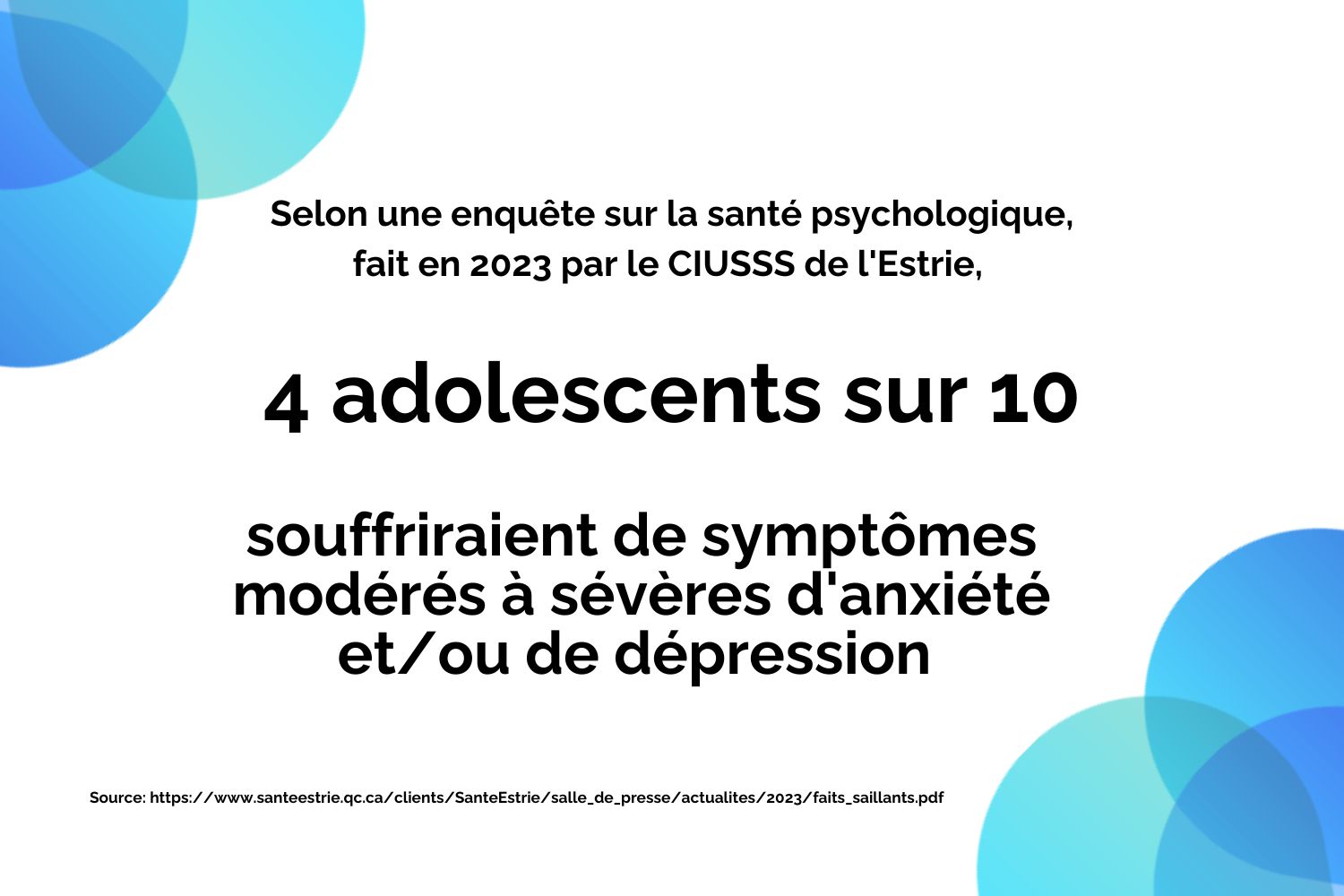
Both stress and anxiety are increasingly present in the lives of young Canadians and Quebecers. A study on youth by Statistics Canada in 2019 also reveals that 17% of young people aged 5 to 17 reported having mental health they consider poor or fair and 5% received a diagnosis of anxiety disorders. (https://www.statcan.gc.ca/o1/fr/plus/907-la-sante-mentale-des-jeunes-revient-sous-les-feux-de-la-rampe-alors-que-la-pandemie)
Signs and symptoms of back-to-school anxiety in children
Anxiety in children is not always easy to detect. They are not necessarily able to understand and express the emotions they feel and this can make it difficult for parents to recognize the disorder. Fortunately, physical and behavioral signs and symptoms can be observed and revealing.
For example, physical symptoms in anxious children often include:
- Headaches
- Stomachaches
- Chest pains
- Vomiting
Other symptoms can also be observed in their behaviors:
- Sudden behavior change
- Constant need for reassurance
- Excessive reactions
- Isolation
By being vigilant and carefully observing these symptoms, parents can better understand and help their children overcome their fears and anxieties.
Social anxiety
Social anxiety in children can manifest in various ways. It involves an intense fear of being judged, criticized, or embarrassed in social or performance situations.
One sign of this type of anxiety is avoidance of social situations. For example, the child refuses to go to school, to a particular class (e.g., physical education) or to attend school events. This intense fear of social interaction and performance can have significant consequences on academic, social, and emotional development.
Social anxiety can be a major challenge. Remember to keep communication open with your child and encourage them to talk about their feelings and fears.
Separation anxiety
Separation anxiety is a form of anxiety where the child experiences an intense fear at the idea of being separated from their parents and/or attachment figures. This can become particularly problematic on the first day of pre-kindergarten or kindergarten.
If your child experiences this type of distress, you can take them to visit the facility before returning to school. Familiarize them with the environment, the classrooms, the playgrounds and the teachers. You can also practice short separations at home to help your child get used to your absence.
Start with short periods and gradually increase the duration. By preparing your child in advance for their integration into school and supporting them through their fears, you can help them overcome their distress.
Performance anxiety
Performance anxiety is a specific form of distress that manifests when the child feels intense pressure to succeed academically or to meet the expectations of their parents, teachers, or themselves. This anxiety can have a negative impact on the child's mental health, well-being and school performance.
Several symptoms can be observed. Excessive nervousness related to an upcoming exam or presentations. An intense fear of failure, fear of not succeeding or disappointing others, chest or stomach pains, etc.
In order to reduce the pressure your child experiences, encourage them to set realistic and achievable goals, taking into account their abilities and well-being, and take the time to strengthen their self-esteem. Remember to be mindful of your words and reactions. Try not to compare your child with their siblings or friends, which could increase their sense of inadequacy.
Adjustment disorder with anxiety
Adjustment disorder with anxiety in children manifests when the child has significant difficulty adapting to changes or stressful events. This can include transitions such as the start of the year, a change of school, academic problems, or social difficulties.
Symptoms can manifest as constant worry regarding aspects of school, such as homework, exams, interactions with peers/adults, or any change in the child's environment.
This adjustment disorder requires particular attention and appropriate support. By recognizing the signs and putting in place strategies of communication, routine, positive reinforcement, and relaxation, parents can help their children overcome this difficult period.
Signs and symptoms of back-to-school anxiety in adolescents
Anxiety in adolescents can manifest in various ways. Some observations that can be made to identify anxiety include emotional, behavioral and physical signs.
Emotional signs often manifest as excessive worry. They may show disproportionate concern for everyday aspects of their lives, such as homework, exams or social relationships.
Behavioral signs can translate into avoidance behaviors, withdrawing from situations they perceive as stressful, such as social activities or responsibilities (school-related or extracurricular). Procrastination is another common sign.
Physical signs may include headaches, stomachaches or body pains without an apparent medical cause. Sleep disturbances are also common, with difficulty falling asleep, frequent night awakenings or recurring nightmares.
Social anxiety
This is an increasingly frequent and recognized problem among young people. It is characterized by an intense fear of social interactions and of being judged by others. It is also possible to observe disproportionate apprehension toward situations, whether it is speaking in class, participating in group activities, or even simply interacting with other students.
If your young person suffers from social anxiety, encourage them to talk about their fears and concerns. Let them know that their emotions are normal and valid.
Performance anxiety
This form of anxiety is linked to an excessive fear of not meeting expectations and can affect various aspects of school life.
One of the common symptoms of performance anxiety, paradoxically, is procrastination. This behavior is often a defense mechanism used to avoid confronting tasks they dread or perceive as challenges. It is also possible to observe excessive concern with results.
Have an open conversation with your adolescent about their goals and aspirations. You can also work with them to develop a weekly or daily plan that includes time for study, leisure, and relaxation. This will help them better organize themselves and reduce their tendency to procrastinate. Encourage them to set realistic expectations based on their abilities and interests rather than external standards.
Adjustment disorder with anxiety
The adjustment disorder with anxiety occurs when an adolescent has difficulty coping with the demands or changes related to their environment. Its symptoms can manifest in several ways. The adolescent may feel worry, even anxiety, due to changes such as new schedules and socializing with other students they do not know. It may be advisable to consult a mental health professional if this persists.
And what about the parents in all this?
Anxiety in parents is also very common during the back-to-school period. This can have a significant impact on family dynamics and the well-being of all family members. This anxiety can present itself in different forms and be fed by various concerns related to school success, the child's emotional well-being and other issues.
Separation anxiety
In the case of parents, this form of anxiety often comes from worry about the child's safety and a feeling of loss or emptiness when their children start school. Indeed, this marks an important transition to a new stage of their lives. It manifests when parents feel significant worries at the idea of separating from their children, for example when they start school.
To manage this distress, create a comforting and positive departure ritual to facilitate detachment and reduce anxiety. It is also advisable to openly discuss your concerns with your partner or a trusted friend to obtain support.
Performance anxiety
Back-to-school stress can raise concerns in parents regarding their children's performance, and their own parenting role.
These worries can sometimes be due to their own unfulfilled ambitions and expectations, adding extra pressure.
It is important to focus on the child's well-being, valuing their efforts and progress rather than final results. Encourage a positive attitude toward learning and growth. Also, to reduce parental anxiety, learn to let go and let the child chart their own path.
Adjustment disorder with anxiety
The start of the school year is often a stressful period for parents. Adjustment disorder with anxiety in parents is a delicate situation that can impact family life.
Social pressure and comparison with other families who seem to handle school transitions without problems can increase parents' anxiety. They may then closely monitor every aspect of their child's school life, such as homework, grades and social interactions, for fear that problems will arise.
To reduce this stress, good planning during the school period is essential. Do not hesitate to ask for help and advice from relatives or a professional to relieve the distress if it persists or disrupts daily activities.

Techniques and tools to better manage stress and anxiety when returning to school
Back-to-school is an important transition period for both children and parents. To approach this time with calm and effectiveness, good planning and preparation are essential. Here are some key techniques and tools to ensure a smooth return to school.
A few days before school starts
To facilitate the transition back to school, it is crucial to establish a regular routine before school starts. This helps gradually adjust sleep and meal schedules to return to a school rhythm. Begin reintroducing usual bedtimes and wake-up times a few weeks before the start to help children adapt without difficulty.
Check the school supplies list provided by the school and make sure you have it on hand before shopping. Check if some items from the previous year can be reused.
If possible, arrange a school visit with your child before classes begin to familiarize them with the new environment, meet the teachers and explore the premises.
Set up a dedicated study space at home, equipped with school supplies, office materials and an environment conducive to concentration.
Maintain open communication with your child about their feelings and expectations for the new school year. Listen carefully to their concerns and what excites them.
Goals and positive reinforcement
Positive reinforcement is an effective method to encourage desired behaviors and help children reach their goals.
Goals should be clear, specific and adapted to the age and abilities of the child or adolescent. Ensure they are achievable and measurable.
Offer immediate rewards for efforts and achievements, even small ones. This can include praise, stickers, or extra special time, to name a few.
The first day of school
Planning and logistical preparation
School bag
Prepare the school bag the night before by checking that all necessary materials are included: books, notebooks, school supplies, and any other items required by the school. Ensure the bag is well adjusted and comfortable for the child.
Lunch
Prepare a balanced and appetizing meal that meets your child's nutritional needs. Pack foods in appropriate containers and check for dietary preferences or possible restrictions. Also, the meal can be prepared the day before.
Clothing
Choose comfortable clothing appropriate for the weather conditions. Prepare the clothes the night before to avoid morning disputes and ensure they meet the school's requirements.
Schedule
Establish a morning schedule that includes enough time for all necessary activities, such as getting ready, having breakfast and getting to school.
Mode of transportation
Make sure the mode of transportation to get to school is well planned. Whether by foot, car, or bus, check that everything is in order and that schedules are respected.
Dialogue and active listening
Talk with your child about their expectations, concerns and excitements regarding the start of school. Be open to their feelings and listen attentively to what they have to say.
Soothing activities and tools to calm down
Introduce soothing activities such as reading or drawing. This will help your child relax to start their day well. This can include breathing exercises, stretches, or quiet moments.
Managing emotions
Help your child identify and understand their emotions. Discuss how they can express their feelings in an appropriate and constructive way. Teach your child strategies to manage difficult emotions, such as relaxation techniques or activities that help them feel better.
Positive reinforcement
Use positive reinforcement to celebrate your child's small victories and efforts. This can include verbal praise, rewards or special moments. Set up a points or reward system to encourage desired behaviors and motivate your child to reach their school and personal goals. This way, they will form a positive association with school.
In the weeks that follow
After the start of school, take the time to monitor your child's progress. Discuss with them how they feel, the challenges they face and the successes they have achieved. Make adjustments if necessary to meet their needs.
Make sure your child maintains a regular routine for sleep, meals, homework and activities. A stable schedule helps create a predictable and secure environment for everyone.
Continue using positive reinforcement in the following weeks to turn the start of school into a fun and positive experience. All with the aim that the child no longer associates the start of the school year with a period of stress.
Encourage your child to build positive relationships with other students and to participate in social activities. Remember that friendships and social support play a key role in emotional well-being.
And if despite all your attempts to prepare for the start of school, you notice that your child or adolescent is having difficulty managing stress or anxiety, it may be helpful to consult a mental health professional. Do not wait for the situation to deteriorate: make an appointment now to provide the necessary support to your child and allow them to get through this period with serenity.
Additional tools and resources
Helping your young person cope with anxiety. Fondation Jeune en Tête (2024).
It's back-to-school! Allo prof parents.
Resources to reduce back-to-school anxiety and support perseverance. Espace Parents.
The summer slide. (2021). Thematic files by Réseau Réussite Montréal.
Anxiety in children and adolescents: Better understanding to better manage. Toolkit to support young people in their emotional and relational needs by the Comité québécois pour les jeunes en difficulté de comportement.
The mental health of youth returns to the spotlight as the pandemic. Statistics Canada (n.d.).
Back to school: 50+ resources for students. (2023). Jeunesse J’écoute.
Supporting a child and adolescent to manage stress and anxiety. Government of Quebec (n.d.).
Anxiety among youth: Parents increasingly worried. Journal de Montréal (2023).
Press release: Respire Campaign 2022. Fondation André-Boudreau (2022).
Related articles

Clinical Supervision in Mental Health: Learning, Growing, and Sharing
Clinical supervision can support mental health professionals at various stages of their careers: during training, in the early years of practice, when entering a new field of expertise, or simply when they wish to continue developing their professional practice.

Are you wondering if it's ADHD? When to seek help and what a neuropsychological evaluation is for
Are you wondering if it's ADHD? A neuropsychological evaluation goes beyond a diagnosis and sheds light on how your cognitive functions work in everyday life.
Assessment of dyslexia and dysorthographia: how to recognize them and when to consult
Summer is drawing to a close and already you are thinking about the start of the school year. You recall last year's homework evenings: your child settling down, pencil in hand, trying, trying again. And yet the words get jumbled, reading drags on, writing wears him out. You watch him: a curious, lively child, capable of telling a thousand stories aloud. But when faced with a page, the effort takes over.