

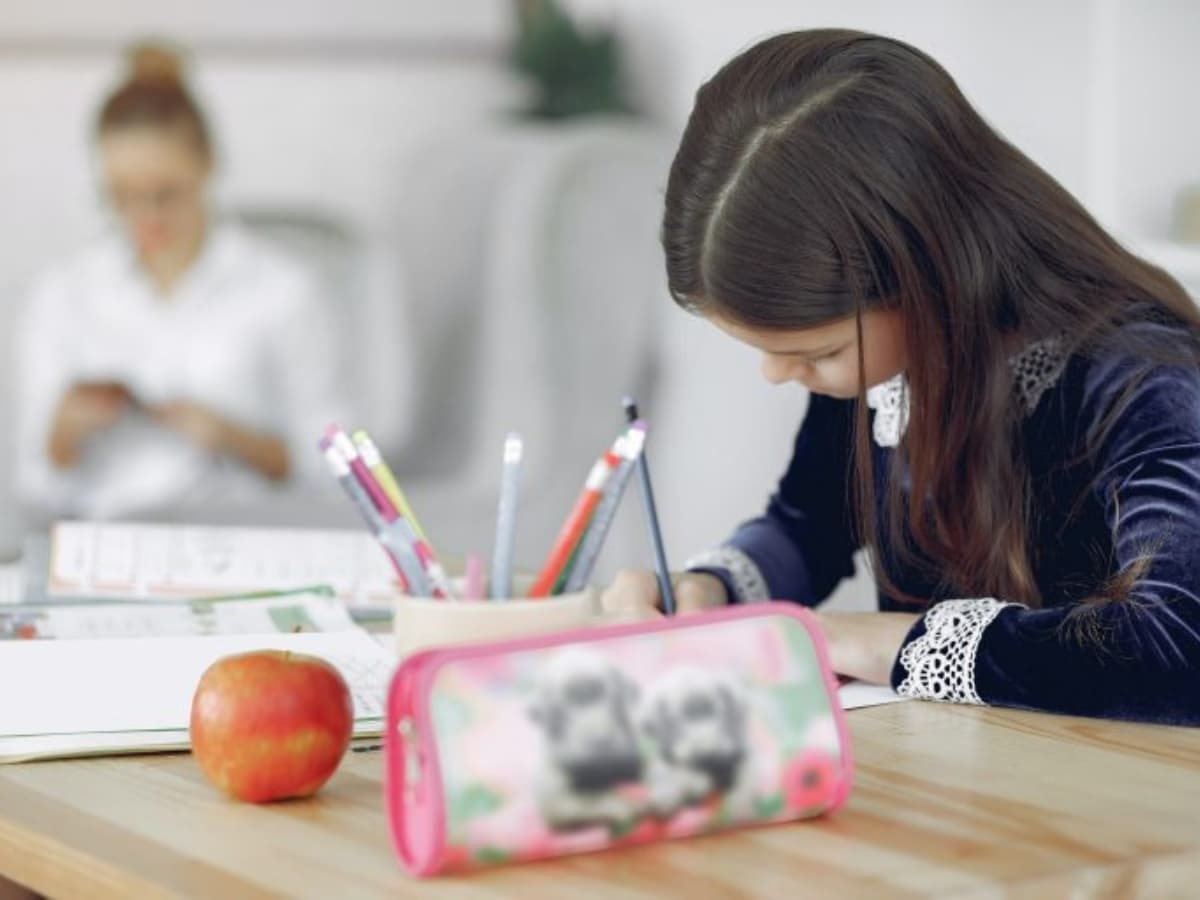
Our young people's motivation to go back to school
The organizationAcademosrevealed last May the results of asurveycarried out with 950 students aged 14 to 30 living in all regions of the province. Of these young people, 43% said they were "much less motivated" and 37% "less motivated" at school since the start of the crisis. Among the important factors that negatively influence students' school motivation since the schools closed are distractions at home (65% of respondents), the lack of human contact (63%), the lack of concrete goals (45%), the lack of personal organization (37%). *
In light of these data, we clearly understand that our young people need us, the adults, to help them manage their daily lives differently!
How to do it?
The first step is to accept that a period of adjustment is necessary. Let's give our children some time to adapt to their new school reality and to find on their own a form of motivation that will be built in part through new social relationships, the pleasure of laughing about the situation with their friends and perhaps a beginning of self-realization when they hand in their first team project! All of this while having open discussions with them about what they are experiencing, encouraging them and reassuring them.
According to research, one of the most important components of school motivation is undoubtedly the student's sense of self-efficacy. The more a child realizes themselves and feels competent, the more motivated they will be.
After a few weeks of school
Try to positively empower your children by having them accomplish small daily challenges at home (small chores, contributing to family organization, decorating or indoor work, etc.) as they do at school. This will have a direct impact on their sense of competence! Structure, routine and supporting young people in their school organization are also factors that facilitate adjustment and motivation. A parental framework and a coherent, consistent routine will surely foster a child's sense of security, which will make them even more willing to learn!
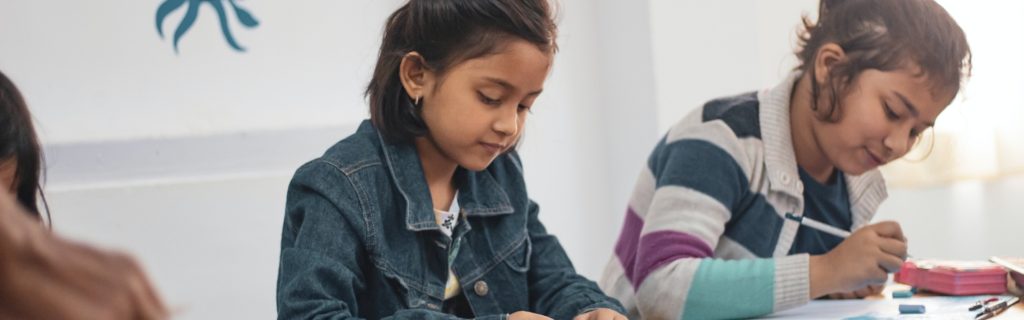
Finally, it is essential to remember that our children watch and listen to us. We are their role models, even if they say otherwise. We must align our actions with our words and avoid negative talk related to this return to school. So take the time to listen to your children talk to you about how their days went. Support them in their fears and worries and take an interest in the small details that made a difference for them. As a caregiver or parent, taking an interest in what your child experiences at school and supporting them in that experience is absolutely necessary. If you need help,do not hesitate to contact a professional who can help you.
In conclusion
Finally, I would like to congratulate these young people, who in any case show a flexibility and an adaptability often much greater than we adults. A little trust, interest in what they are experiencing, emotional support and a consistent framework are important and very achievable ingredients to contribute to a motivating return to school for our future citizens and decision-makers! Never forget, as a great psychologist, Dr. Jean Dutil, used to say,that a child is built through the eyes of the adults who surround them; please, look at them with confidence and love!
Hugo Lambert, founder and clinical director, Familio
Related articles
Preventing mental fatigue: take care of your health to avoid burnout
Between personal responsibilities, the workplace, unexpected events, and an often demanding pace of life, our brains are now under constant strain. Notifications, screens, multitasking, and the need for instant gratification sometimes leave little room to truly unwind or recharge. This reality is becoming increasingly prevalent. In 2023, more than 4.1 million Canadian workers reported experiencing high levels of work-related stress and daily overload.
Understanding grief: stages, emotions and the grieving process | Familio
When pain returns as time passes, it’s normal to wonder why. We hear about the stages of grief, as if simply going through them one by one would make things better. As if there were a "right way" to grieve. Yet grief does not follow a straight line. It can come back in waves, take different forms, and be experienced very differently from one person to another. Understanding what is happening can help put words to what we feel, recognize returning emotions, and know when to seek support.
Caregivers: the often invisible pillars of our society
Supporting a loved one experiencing loss of autonomy, caring for an ill spouse, or being present for a child with particular challenges — for many caregivers, these situations are simply part of daily life. Learn about caregivers, the impact on their mental health, and how to better support them.